Introduction
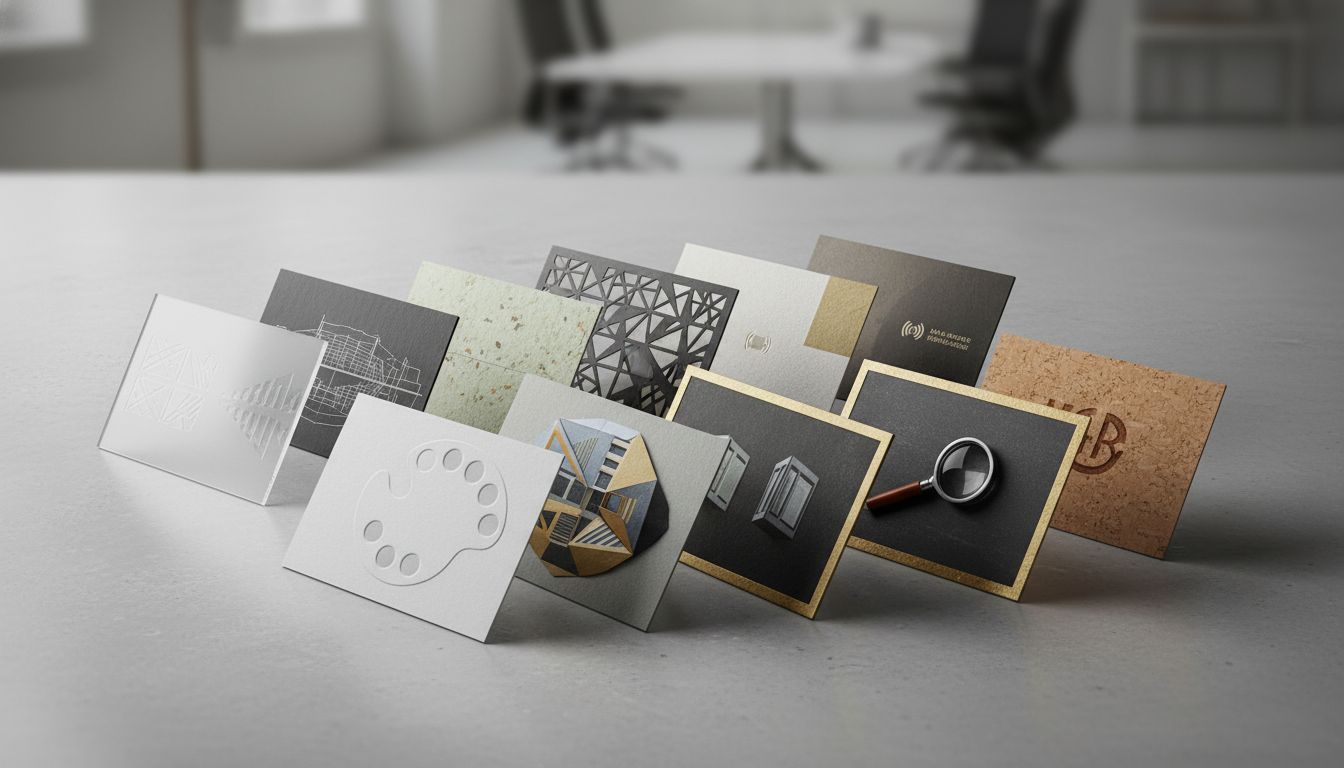
In an increasingly digital world where connections are often made through screens, the tactile experience of handing over a physical business card holds more power than ever before. A business card is not merely a piece of paper containing your contact information; it is a tangible representation of your brand, a portable portfolio, and often the very first physical interaction a potential client has with your business. When you leverage the right design elements, a simple card transforms into a powerful marketing tool. This comprehensive guide will explore 10 Creative Business Card Ideas To Elevate Your Brand Identity, providing you with actionable insights to leave a lasting, memorable impression on your prospects.
Industry trends in print marketing indicate a massive shift toward premium, highly customized networking materials. Studies suggest that nearly 72% of professionals judge a company or a person based on the quality of their business cards. In the realm of logo design and brand identity, consistency across all mediums is paramount. A poorly designed card can instantly dilute a premium brand, while an innovative, thoughtfully crafted card can elevate a startup to industry-leader status. By integrating cutting-edge printing techniques, structural creativity, and psychological design principles, you can create a piece of marketing collateral that refuses to be thrown away.
Whether you are a corporate executive, an independent freelancer, or a creative agency, understanding how to optimize your physical networking tools is essential for lead generation and brand recall. Let us delve deep into the mechanics of physical branding and discover exactly how you can implement these 10 Creative Business Card Ideas To Elevate Your Brand Identity to outshine your competition.
Key Takeaways
- First Impressions Matter: A premium business card acts as a physical handshake, instantly communicating your brand’s professionalism and attention to detail.
- Tactile Engagement Wins: Utilizing unique textures, heavy paper weights, and specialized finishes (like foil stamping or letterpress) significantly increases brand recall.
- Functionality Drives Retention: Cards that offer a secondary utility or interactive element are kept much longer than standard cards.
- Bridging Print and Digital: Modern cards must seamlessly integrate with digital lead-generation funnels through NFC technology or dynamic QR codes.
- Logo Design is the Anchor: A creative business card relies heavily on a strong, scalable, and professionally designed logo to establish immediate brand recognition.
Why Your Brand Identity Demands a Creative Business Card
Brand identity is the collection of all elements that a company creates to portray the right image to its consumer. While digital assets like websites and social media profiles are crucial, physical touchpoints trigger a different psychological response. When you hand someone a card, you are engaging their senses of sight and touch simultaneously. This multisensory engagement is a proven method for increasing memory retention.
Furthermore, standard business cards—typically printed on flimsy 14pt cardstock with basic digital ink—are often discarded within a week. To prevent your contact information from ending up in the recycling bin, your card must disrupt the norm. It must serve as a micro-experience. When a potential lead receives a card that features a unique die-cut shape, a striking minimalist logo, or an unexpectedly heavy weight, their brain registers the interaction as a high-value exchange. This perceived value is immediately transferred to your brand. Therefore, investing in creative business card design is not a frivolous expense; it is a calculated lead-generation strategy designed to maximize your networking ROI.
10 Creative Business Card Ideas To Elevate Your Brand Identity
1. Minimalist and Typographic Mastery
In a world cluttered with visual noise, minimalism speaks volumes. A minimalist business card relies on the principle that “less is more,” utilizing vast amounts of negative (white) space to draw the viewer’s eye exactly where you want it: your logo and essential contact details. By stripping away unnecessary graphics, patterns, and secondary colors, you project an image of supreme confidence and sophistication.
To execute this effectively, typographic mastery is required. Choosing a bespoke typeface or a highly refined serif/sans-serif combination can carry the entire design. When paired with a luxury paper stock—such as a 32pt uncoated cotton—a minimalist card feels incredibly substantial. This approach is highly recommended for high-end consultants, luxury real estate agents, and boutique design firms who want their brand identity to exude elegance and exclusivity.
2. Unique Shapes and Die-Cut Designs
The standard business card dimensions (3.5″ x 2″ in the US, or 85mm x 55mm in Europe) are universally recognized, but strictly adhering to them is not mandatory. Die-cutting allows you to alter the physical shape of the card to reflect your industry or brand personality. A baker might have a card with a subtle bite mark taken out of the corner; an architect might use a card shaped like a drafting tool or a building silhouette.
Even subtle die-cuts, such as deeply rounded corners or an angled geometric slice off one side, can make your card stand out in a stack. When designing a die-cut card, it is crucial to ensure that the shape does not compromise the readability of your text or the integrity of your logo design. The shape should enhance the brand narrative, not distract from it.
3. Textured and Tactile Materials (Letterpress and Embossing)
Human beings are highly tactile creatures. Incorporating texture into your business card design is one of the most effective ways to ensure it is remembered. Letterpress printing, an antique technique where a metal plate is pressed into thick, soft paper, creates a stunning, debossed impression that you can literally feel. It adds a level of artisanal craftsmanship to your brand identity.
Alternatively, embossing pushes the paper upward to create a 3D effect, while foil stamping applies a thin layer of metallic foil (gold, silver, rose gold, or even holographic) to specific areas like your logo. UV spot gloss can also be used to create a shiny, slightly raised texture on a matte background. These tactile elements communicate that your business values quality, durability, and luxury.
4. Eco-Friendly and Sustainable Cards
Modern consumers and B2B clients are increasingly conscious of environmental sustainability. Aligning your brand identity with eco-friendly practices can be a massive selling point. Instead of traditional bleached cardstock, consider printing your business cards on 100% post-consumer recycled paper, bamboo, or even cork.
One of the most innovative ideas in this space is seed paper. These cards are embedded with wildflower or herb seeds. After the recipient has saved your contact information, they can plant the card in soil, watering it to grow a physical plant. This not only leaves zero waste but creates a long-term, positive emotional connection with your brand every time they look at the plant.
5. Interactive and Functional Cards
A business card that serves a dual purpose is exceptionally difficult to throw away. Functional cards provide intrinsic value beyond just sharing a phone number. For example, a bicycle repair shop might create a metal business card that doubles as a tire tread depth gauge or a multi-tool wrench. A cheese shop might offer a card made of food-safe metal that acts as a miniature cheese grater.
Interactive cards can also include origami fold-outs, sliding sleeves, or punch-out models. While these are more expensive to produce, the return on investment in terms of brand exposure is astronomical. When someone shows your clever, functional business card to their friends and colleagues, they are doing your lead generation and marketing for you.
6. Transparent and Frosted Plastic Cards
For a highly modern, tech-forward brand identity, plastic business cards offer a sleek alternative to paper. Transparent or semi-transparent frosted polymer cards immediately catch the eye because they interact with light. The frosted finish is particularly popular as it prevents fingerprint smudges while maintaining a translucent, icy aesthetic.
When designing for transparent cards, it is essential to remember that you only have one usable side, as the reverse will show through. This limitation forces a clean, uncluttered layout. Vibrant, opaque inks, combined with metallic foils, look incredibly striking against a clear background, making this an excellent choice for IT firms, modern architecture practices, and digital agencies.
7. NFC-Enabled Smart Business Cards
Bridging the gap between physical networking and digital lead capture is crucial in the modern business landscape. Near Field Communication (NFC) business cards contain a tiny, invisible microchip embedded within the cardstock or plastic. When a potential client taps the card against their smartphone, it instantly triggers an action on their device.
This action can be programmed to instantly download your VCF contact file into their phonebook, open your portfolio website, direct them to a lead capture landing page, or launch a promotional video. With an NFC card, you only ever need to carry one physical card, making it a highly sustainable and infinitely updatable solution that positions your brand at the absolute cutting edge of technology.
8. Bold Edge Painting and Colored Cores
If you want to maintain a traditional, flat surface design but still want a pop of creativity, edge painting is a phenomenal technique. This involves applying a vibrant color, or even a metallic foil, to the very edges of the card. When the card is viewed from the side, or when a stack of them is sitting on a desk, the bold color stands out dramatically.
A variation of this is the “colored core” or “sandwich” card. This requires mounting three layers of paper together, where the middle layer is a thick, brightly colored stock. This results in an ultra-thick card (often 32pt to 48pt) with a striking seam of brand-aligned color running through its center. It is a subtle yet highly premium detail that reinforces your brand’s color palette.
9. Photographic and Visual-Heavy Cards
For highly visual industries such as photography, interior design, or modeling, your business card should act as a miniature portfolio. Utilizing high-resolution, full-bleed photography on the back of the card allows you to showcase your best work immediately.
To keep this organized, you can use “Printfinity” or variable data printing, which allows you to print a different photograph on the back of every single card in a batch, while keeping the contact information side uniform. This turns the act of handing out a card into an interactive experience, allowing the prospect to choose the image that resonates most with them.
10. Custom Illustrations and Pop-Up Elements
Moving away from corporate sterility, custom illustrations can inject warmth, humor, and immense personality into your brand identity. A bespoke illustration of your storefront, a caricature of yourself, or a beautifully drawn mascot can make your card highly approachable and memorable.
For those willing to push the boundaries of print engineering, pop-up business cards offer an unforgettable experience. Using precise die-cutting and scoring, these cards sit flat in a wallet but pop up into a 3D shape—like a tiny laptop, a couch, or a house—when opened. This level of creativity showcases an unparalleled commitment to design and leaves a lasting legacy in the mind of the recipient.
The Synergy Between Logo Design and Business Cards
No matter how thick the paper or how shiny the foil, a business card is only as effective as the visual branding it carries. Your logo is the anchor of your business card. It dictates the color scheme, the typographic choices, and the overall spatial balance of the layout. A cluttered, poorly scaled logo will completely undermine the premium finishes you have invested in.
When preparing a logo for print, it must be designed in vector format (such as EPS or AI) to ensure it remains crisp and sharp regardless of scale. Furthermore, it must be translated accurately into the CMYK color space for printing, which differs significantly from the RGB colors seen on digital screens. If you need a foundational visual asset that translates flawlessly across all mediums, partnering with true industry experts is non-negotiable. For instance, London Logo Designs can provide you with a meticulously crafted logo that ensures your brand identity is perfectly optimized for both high-end print collateral and digital platforms.
A professional design agency understands how to build a logo with “safe zones” and proper clear space, ensuring that when it is placed on a minimalist card or stamped in gold foil, it commands attention without feeling cramped. The synergy between a world-class logo and an innovative business card concept is the ultimate formula for networking success.
Designing for Your Target Audience: A Lead-Oriented Approach
While exploring these 10 Creative Business Card Ideas To Elevate Your Brand Identity, it is critical to remember that design should never supersede functionality. The ultimate goal of a business card is lead generation and relationship building. Therefore, your design choices must be tailored specifically to your target demographic.
If your target audience consists of conservative B2B executives, an ultra-thick minimalist card with subtle blind embossing will perform much better than a neon-colored pop-up card. Conversely, if you are targeting creative directors or marketing agencies, an interactive, highly visual, or functionally unique card will prove your creative capabilities on the spot. Always include a clear Call To Action (CTA). Whether it is a dynamic QR code leading to a specialized landing page, a prompt to connect on LinkedIn, or a discount code for their first consultation, ensure your card acts as a deliberate step in your sales funnel.
Frequently Asked Questions
1. What is the standard size of a business card, and should I deviate from it?
The standard size in the US and Canada is 3.5 x 2 inches, while in Europe it is typically 85mm x 55mm. Adhering to these standard sizes ensures your card fits perfectly into standard wallets and business card holders. However, deviating slightly—such as using a square design (e.g., 2.5 x 2.5 inches) or a slim “mini” card (e.g., 3.5 x 1.5 inches)—can make your card stand out. Just be cautious not to make it so large that it becomes cumbersome for the recipient to carry.
2. How does logo design impact the effectiveness of a business card?
Your logo is the visual cornerstone of your brand identity. On a business card, it is usually the first element the recipient’s eye is drawn to. A well-designed, scalable vector logo ensures brand recognition and sets the aesthetic tone (colors, typography, style) for the rest of the card. A poor logo will make even the most expensive printing techniques look unprofessional.
3. Are digital business cards replacing physical ones?
While digital networking tools (like LinkedIn and virtual contact sharing apps) are incredibly popular, they are not entirely replacing physical cards. Physical cards offer a tactile, interruption-free moment of connection that digital exchanges lack. The most effective modern strategy is a hybrid approach, such as using physical cards equipped with NFC chips or QR codes that instantly bridge the user to your digital platforms.
4. What information is absolutely necessary on a modern business card?
Minimalism is key to a clean design. You only need the essentials: your name, your job title, your company name/logo, a direct phone number, a professional email address, and your website. Physical addresses are largely obsolete unless you run a brick-and-mortar retail store. Social media handles can be included if they are actively used for business purposes, but a single QR code linking to a “Linktree” or digital portfolio is often a cleaner solution.
5. How much should I invest in premium business card printing?
The investment should reflect the lifetime value of a client in your industry. If you sell high-ticket services or luxury goods, spending $1 to $3 per card on premium features (like heavy cardstock, edge painting, or foil stamping) is highly justified, as a single converted lead pays for the printing exponentially. For volume-based networking, finding a middle ground—such as a clean design on a sturdy 16pt matte stock—offers a professional look without breaking the bank.
Conclusion
Your business card is a pocket-sized billboard, a tangible representation of your professional ethos, and a vital component of your overarching marketing strategy. By implementing these 10 Creative Business Card Ideas To Elevate Your Brand Identity, you transition from simply handing out contact information to delivering a memorable brand experience. From the tactile allure of letterpress and heavy cardstocks to the cutting-edge functionality of NFC technology and eco-friendly materials, the possibilities to differentiate your brand are limitless.
Remember that the foundation of any outstanding business card is a professionally crafted logo and a deep understanding of your target audience. When you combine exceptional graphic design with innovative printing techniques, you create an authoritative networking tool that generates leads, builds immense trust, and ensures your brand identity remains unforgettable long after the initial handshake.