Introduction
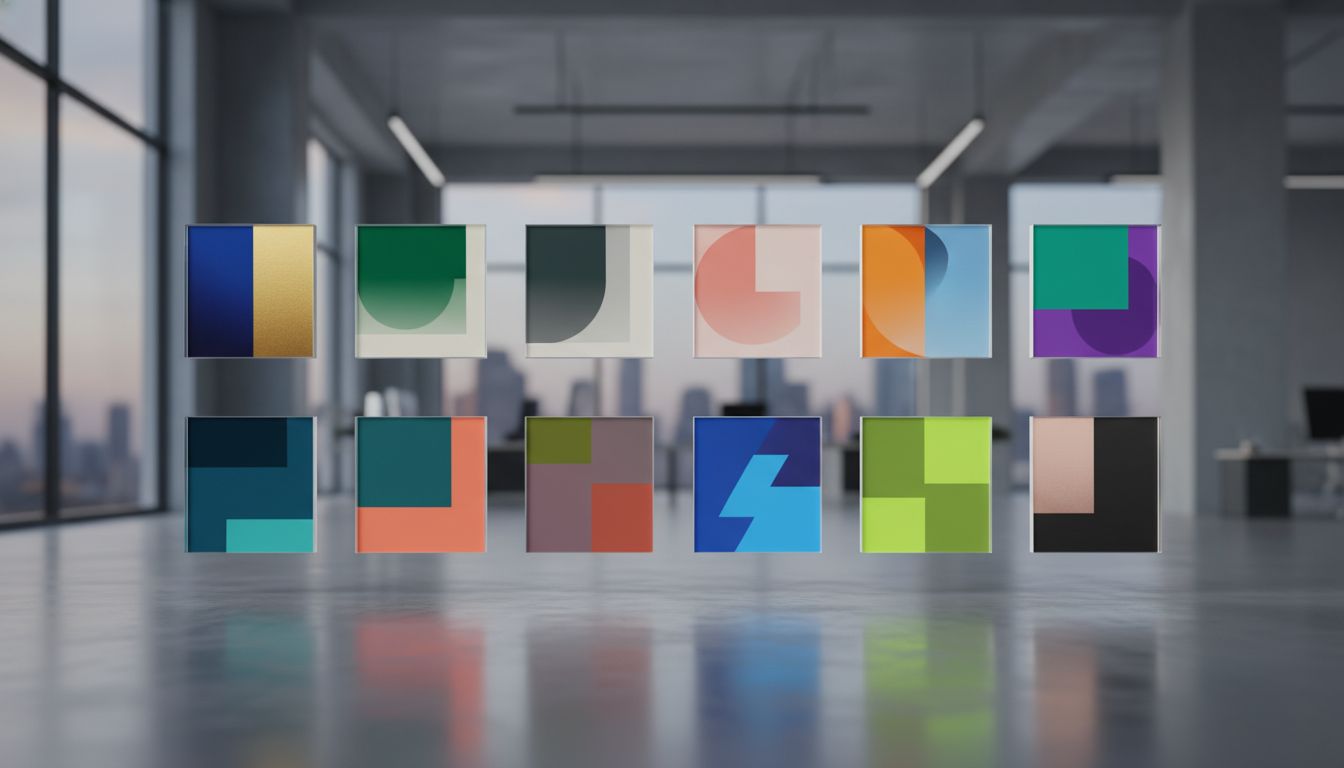
In the highly competitive world of modern business, your brand identity is the silent ambassador of your company. Before a potential customer reads your tagline, browses your product catalog, or speaks to a sales representative, they see your logo. At the very core of this visual first impression is color. Research indicates that color increases brand recognition by up to 80%, making the selection of your brand’s palette one of the most critical decisions in the design process. If you are embarking on a branding journey, exploring these 10 Stunning Logo Color Combinations To Inspire Your Design is the perfect way to understand how hues interact to create memorable, high-converting visual identities.
Industry trends in logo design are constantly evolving. While recent years saw a massive shift toward hyper-minimalism and monochromatic schemes, current trends are swinging back toward strategic, psychology-driven color pairings. Brands are now leveraging unique color harmonies to stand out in saturated digital markets, evoke specific emotional responses, and communicate their core values subconsciously. A well-chosen color combination does more than just look aesthetically pleasing; it tells a compelling story, builds immediate trust, and guides consumer behavior.
Whether you are launching a disruptive tech startup, a luxury lifestyle brand, or a local service business, the colors you choose will dictate how the market perceives you. In this comprehensive guide, we will delve deep into the psychology of color, explore the science of visual harmony, and break down 10 Stunning Logo Color Combinations To Inspire Your Design, ensuring you have the knowledge required to make an informed, lead-oriented branding decision.
The Foundational Psychology of Logo Colors
Before we explore specific pairings, it is essential to understand the underlying psychology of individual colors. Human beings are hardwired to respond to color on a subconscious level. These reactions are deeply rooted in evolutionary biology, cultural conditioning, and psychological associations. When you combine colors, you are essentially combining emotional triggers.
- Red: Evokes passion, urgency, excitement, and appetite. It is highly stimulating and often used to encourage immediate action.
- Blue: Communicates trust, security, stability, and intelligence. It is the most universally favored color, heavily utilized in finance, tech, and healthcare.
- Yellow: Represents optimism, warmth, and clarity. It grabs attention quickly but must be used carefully to avoid visual fatigue.
- Green: Symbolizes growth, health, nature, and wealth. It is inherently relaxing to the human eye.
- Purple: Associated with royalty, luxury, wisdom, and creativity. It offers a premium feel to any brand identity.
- Orange: Combines the energy of red and the happiness of yellow. It represents enthusiasm, affordability, and youthful energy.
When designing a logo, you are rarely relying on a single color. The magic happens in the juxtaposition of two or more hues. By utilizing the color wheel—whether through complementary (opposite), analogous (adjacent), or triadic (evenly spaced) schemes—designers create visual tension, harmony, and focus.
10 Stunning Logo Color Combinations To Inspire Your Design
Choosing the right palette requires a delicate balance of industry appropriateness and visual differentiation. Let us take a deep dive into 10 Stunning Logo Color Combinations To Inspire Your Design, analyzing why they work, the emotional resonance they carry, and the industries they serve best.
1. Navy Blue and Soft Gold: The Epitome of Luxury and Trust
There is a reason this combination has stood the test of time in the corporate and luxury sectors. Navy blue is the ultimate color of authority, stability, and profound trust. It is less harsh than stark black but carries the same weight of professionalism. When you pair this deep, anchoring blue with a soft, metallic gold, you instantly elevate the brand’s perceived value. Gold introduces elements of prestige, wealth, and high-end quality.
Best Suited For: Wealth management firms, luxury real estate agencies, premium legal practices, and high-end hospitality brands. This combination assures high-net-worth clients that their investments and experiences are in secure, capable hands.
2. Vibrant Orange and Charcoal Black: Energetic yet Grounded
Orange is a notoriously tricky color to master in logo design. It is loud, vibrant, and unapologetically energetic. However, when paired with a grounding, sophisticated charcoal black, the orange is tamed just enough to be striking without being overwhelming. The charcoal provides a sleek, modern canvas that allows the orange to pop, creating a sense of dynamic action wrapped in professional packaging.
Best Suited For: Fitness brands, sports equipment manufacturers, disruptive tech startups, and modern construction companies. It communicates that the brand is forward-thinking, active, and reliable.
3. Emerald Green and Crisp White: Fresh, Organic, and Pure
When you want to communicate health, sustainability, and clarity, nothing beats the combination of emerald green and crisp white. Green is the color of nature and renewal. Emerald, specifically, carries a depth that feels both organic and premium. White acts as the perfect negative space, providing breathing room and emphasizing transparency and purity. This combination is highly legible and scales beautifully across digital and print mediums.
Best Suited For: Eco-friendly product lines, organic skincare brands, vegan restaurants, and renewable energy companies. It whispers health and sustainability to the consumer.
4. Deep Purple and Golden Yellow: Royal, Creative, and Bold
As complementary colors on the color wheel, purple and yellow create a high-contrast, visually arresting combination. Deep purple carries historical associations with royalty, mystery, and profound creativity. Golden yellow injects a burst of optimism, warmth, and accessibility. Together, they create a brand identity that feels both exclusive and welcoming, imaginative yet grounded.
Best Suited For: Creative marketing agencies, educational institutions, premium confectionery brands, and boutique consulting firms. It is a bold choice that demands attention and implies out-of-the-box thinking.
5. Muted Turquoise and Slate Grey: Modern, Tech-Savvy, and Calm
In the digital age, tech brands must balance the appearance of cutting-edge innovation with user-friendly accessibility. Muted turquoise sits beautifully between the trust of blue and the growth of green, representing clear communication and modern solutions. Slate grey provides a softer, more approachable alternative to black, giving the logo a sleek, corporate, and highly professional foundation.
Best Suited For: Software-as-a-Service (SaaS) companies, medical technology firms, wellness apps, and modern B2B service providers. It soothes the user while communicating technological competence.
6. Cherry Red and Bright White: Urgent, Passionate, and Unforgettable
Red is the most visceral color in the spectrum. It raises the heart rate, stimulates the appetite, and demands immediate attention. When paired simply with bright white, the red is allowed to be the absolute star of the show. The white provides necessary contrast, ensuring that the logo is highly readable even from a distance or at a quick glance. This combination is inherently action-oriented.
Best Suited For: Fast-food franchises, emergency services, retail clearance brands, and media outlets. It is designed to capture the eye instantly and drive immediate consumer action.
7. Pastel Pink and Navy Blue: Soft Femininity Meets Corporate Strength
This is one of the most contemporary and sophisticated pairings on our list. Pastel pink is traditionally associated with softness, romance, and femininity. However, when juxtaposed with the rigid, corporate strength of navy blue, the resulting brand identity is incredibly balanced. It communicates that a brand can be empathetic and approachable, yet highly professional and authoritative.
Best Suited For: Modern cosmetics brands, female-focused financial services, boutique PR agencies, and lifestyle blogs. It perfectly bridges the gap between B2C appeal and B2B credibility.
8. Sunny Yellow and Forest Green: Natural Optimism and Growth
Think of a sunflower growing in a lush field; that is the emotional resonance of yellow and forest green. Yellow provides the sunshine—optimism, energy, and approachability. Forest green provides the earth—stability, growth, and natural health. This analogous-adjacent pairing is incredibly harmonious to the human eye and evokes an immediate sense of well-being and natural vitality.
Best Suited For: Agricultural businesses, eco-tourism companies, landscaping services, and natural food markets. It is the ultimate palette for brands deeply connected to the earth.
9. Coral and Deep Teal: Trendy, Playful, and Striking
If you are targeting a younger, trend-conscious demographic, coral and deep teal offer a stunning visual experience. Coral is a softer, more playful iteration of red and orange, exuding warmth and youthful energy. Deep teal is a rich, sophisticated blue-green that provides necessary contrast and grounds the vibrancy of the coral. The result is a highly aesthetic, Instagram-ready logo palette.
Best Suited For: Lifestyle applications, trendy D2C (Direct-to-Consumer) retail brands, creative design studios, and modern interior design firms. It screams contemporary chic.
10. Monochromatic Black and White: Timeless, Minimalist Elegance
No list of 10 Stunning Logo Color Combinations To Inspire Your Design would be complete without the ultimate classic: black and white. While technically the absence and presence of all colors, this pairing relies purely on stark contrast, negative space, and masterful typography. It strips away all distractions, leaving only the pure essence of the brand’s form. It is uncompromising, incredibly confident, and eternally timeless.
Best Suited For: High fashion houses, luxury automotive brands, minimalist tech companies, and high-end editorial publications. It proves that sometimes, the most powerful color choice is choosing no color at all.
Strategic Implementation: How to Choose the Right Palette
Reviewing these 10 Stunning Logo Color Combinations To Inspire Your Design is only the first step. Implementing them strategically requires a deep understanding of your specific market landscape. When finalizing your logo colors, you must conduct a thorough competitor analysis. If every other brand in your industry is using blue and white, utilizing a striking purple or vibrant orange might be the exact disruption you need to capture market share.
Furthermore, consider the technical application of your colors. Your logo must look just as impressive on a tiny smartphone screen as it does on a massive billboard. It must translate well into both RGB (for digital screens) and CMYK (for physical printing). Choosing colors that do not shift drastically between these two color spaces is a crucial technical consideration that amateur designers often overlook.
Because the stakes are so high in branding, collaborating with seasoned professionals is highly recommended. For instance, partnering with an expert agency like London Logo Designs ensures your brand identity is built on a foundation of strategic color theory, market research, and flawless technical execution. Expert designers understand how to balance primary, secondary, and accent colors to create a cohesive brand system that generates leads and builds lasting trust.
Key Takeaways
- Color is Psychological: Every hue triggers a specific subconscious emotional response in your target audience. Choose colors that align with your brand’s core values.
- Contrast is Crucial: The best logo color combinations utilize visual contrast (like deep navy and soft gold) to ensure legibility and visual interest.
- Consider Your Industry: While standing out is important, ensure your color palette still respects the general expectations of your specific industry to maintain credibility.
- Keep it Simple: The most effective logos rarely use more than two or three colors. Overcomplicating your palette can lead to visual clutter and reduced brand recall.
- Test Across Mediums: Always ensure your chosen color combination looks vibrant and accurate in both digital (RGB) and print (CMYK) formats.
Frequently Asked Questions
How many colors should a professional logo have?
A professional logo should typically feature no more than two to three colors. Using a primary color, a secondary complementary color, and an optional neutral accent color ensures the logo remains clean, memorable, and highly versatile across different marketing materials.
What is the most popular color used in logo design?
Blue is consistently ranked as the most popular logo color globally. It is deeply associated with trust, dependability, and professionalism, making it the go-to choice for massive industries such as technology, finance, healthcare, and corporate consulting.
How does color psychology directly affect lead generation?
Color psychology affects lead generation by immediately setting the tone for the consumer’s experience. For example, a red “Buy Now” button or logo accent can create a sense of urgency, while a calm blue aesthetic can build the necessary trust required for a user to hand over their contact information or credit card details.
Can I change my logo colors later if I rebrand?
Yes, rebranding is common as companies evolve. However, changing your core brand colors should be done strategically and cautiously. Because color is heavily tied to brand recognition, a sudden, drastic change can confuse existing customers. It is often better to evolve the palette gradually by updating hues rather than completely changing the color family.
Should I design my logo in RGB or CMYK?
You should ultimately have versions of your logo in both color profiles. RGB (Red, Green, Blue) is used for digital screens like websites and apps. CMYK (Cyan, Magenta, Yellow, Key/Black) is used for physical printing like business cards and billboards. A professional designer will provide you with brand guidelines that include exact hex codes, RGB values, and CMYK percentages to ensure consistency everywhere.
Conclusion
Your brand’s visual identity is a powerful tool for communication, connection, and conversion. By understanding the profound impact of color psychology and visual harmony, you can craft an identity that not only looks spectacular but also works tirelessly to generate leads and build consumer loyalty. We hope these 10 Stunning Logo Color Combinations To Inspire Your Design have sparked your creativity and provided a strategic roadmap for your branding journey.
Remember that a great logo is an investment in your company’s future. While exploring color palettes is an exciting creative exercise, the flawless execution of those colors requires a professional touch. By selecting the right hues, balancing your contrasts, and ensuring technical accuracy, your logo will serve as a beacon of trust and quality in your industry for years to come.