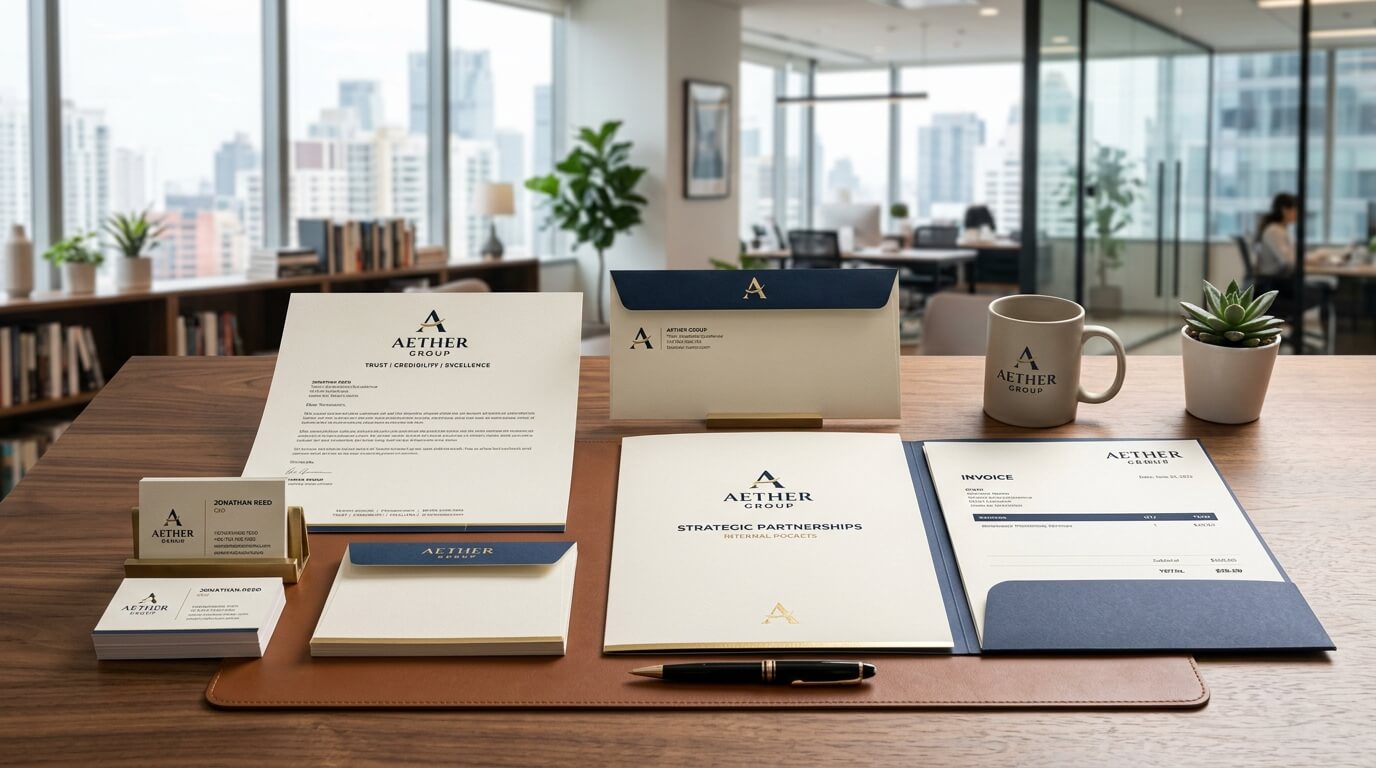
In an increasingly digital business environment, where emails, instant messages, websites, and social media dominate customer communication, business stationery may seem like an outdated concept. However, professionally designed stationery continues to play an important role in shaping how customers perceive a brand. A well-crafted business card, letterhead, invoice, envelope, presentation folder, or branded document does more than share information. It communicates professionalism, reliability, attention to detail, and confidence.
Trust is one of the most valuable assets a business can build. Customers are more likely to purchase from companies that appear credible, organized, and consistent. While online branding plays a major role in establishing reputation, physical and digital stationery materials create additional touchpoints where customers interact with a brand. These materials often become a reflection of the company’s identity and values.
Business stationery helps transform ordinary communication into a branded experience. When customers receive a professionally designed document, they subconsciously associate the quality of that material with the quality of the company’s products or services. A poorly designed invoice, inconsistent document format, or outdated business card can create uncertainty, while polished stationery can reinforce confidence.
Modern businesses use stationery as an extension of their brand strategy. Every color, font, logo placement, and design element contributes to a consistent brand image. Whether a company is sending a proposal to a potential client, welcoming a new customer, or delivering important paperwork, branded stationery creates a sense of professionalism that strengthens relationships.
The Connection Between Business Stationery and Customer Trust
First Impressions Begin Before the First Conversation
Customers often form opinions about a business within seconds. Before they speak with a representative or experience a product, they encounter visual signals that influence their perception. Business stationery is one of those signals. A carefully designed letterhead, elegant business card, or professional proposal document immediately communicates that the company values quality and presentation.
A business that invests in professional stationery demonstrates attention to detail. Customers often interpret this attention as an indicator of how the company handles its overall operations. If a company takes care of small details like document design and communication materials, customers feel more confident that the business will also take care of larger responsibilities.
For example, a client receiving a well-designed contract or proposal document may feel greater confidence in the professionalism of the organization behind it. On the other hand, inconsistent or poorly formatted materials may create doubts about the company’s reliability.
Professional Appearance Creates Credibility
Credibility is built through consistency. Customers want to work with businesses that appear stable, trustworthy, and established. Business stationery helps communicate these qualities by presenting a unified visual identity across all customer interactions.
A professional stationery system includes matching elements such as letterheads, envelopes, business cards, invoices, receipts, folders, and digital templates. When all these materials follow the same design style, customers recognize the brand more easily and develop familiarity over time.
Brand familiarity plays an important role in trust. People naturally feel more comfortable with businesses they recognize. Consistent stationery reinforces brand recognition and creates a professional impression every time customers interact with company materials.
How Different Types of Business Stationery Influence Customer Perception
Business stationery includes many different materials, and each one serves a unique purpose in customer communication. From the first introduction to long-term business relationships, stationery supports various stages of the customer journey.
| Type of Business Stationery | Purpose | How It Builds Customer Trust |
| Business Cards | Sharing professional contact information | Creates a memorable first impression and demonstrates professionalism |
| Letterheads | Official communication and documents | Shows authenticity and establishes credibility |
| Invoices and Receipts | Financial transactions and records | Provides transparency and builds confidence |
| Presentation Folders | Organizing proposals and documents | Creates a premium brand experience |
| Envelopes | Delivering official communication | Reinforces brand consistency before documents are opened |
| Digital Templates | Online communication materials | Maintains professional branding across digital channels |
Business Cards: Creating Personal Connections
Business cards remain one of the most recognizable forms of business stationery. Although many professional interactions happen online, exchanging a physical business card still creates a personal connection. A thoughtfully designed card can leave a lasting impression after a meeting has ended.
A business card communicates much more than contact details. The quality of the paper, layout, typography, and finishing touches reflect the personality and professionalism of the brand. A clean, modern design suggests efficiency and innovation, while a premium design may communicate luxury and exclusivity.
Customers often keep business cards for future reference. This means a well-designed card continues representing the company even after the initial interaction. It becomes a small but powerful marketing tool that keeps the brand visible.
Letterheads: Establishing Professional Authority
Letterheads are essential for official business communication. They are commonly used for proposals, agreements, announcements, invoices, and important customer correspondence. A professionally designed letterhead gives documents an official appearance and reassures customers that they are dealing with a legitimate organization.
A branded letterhead usually includes the company logo, contact information, brand colors, and other important details. This creates a sense of authenticity and prevents communication from appearing informal or unreliable.
For businesses that handle important transactions, letterheads are especially valuable because they create a formal communication standard. Customers feel more confident when receiving documents that look organized and professionally prepared.
Invoices and Receipts: Turning Transactions Into Trust-Building Moments
Many businesses overlook invoices as a branding opportunity. However, invoices are among the most frequent documents customers receive. A clear, professional invoice can strengthen trust by demonstrating transparency and organization.
Customers appreciate invoices that are easy to understand, visually consistent, and professionally presented. A branded invoice communicates that the business values accuracy and customer experience.
An invoice is not simply a payment request. It is also a reflection of the company’s professionalism after the sale has been completed. Businesses that provide organized documentation create stronger relationships because customers feel respected and valued.
The Role of Brand Consistency in Building Customer Confidence
Creating a Unified Customer Experience
Successful brands understand that every customer interaction contributes to their overall reputation. Business stationery helps create a unified experience by ensuring that all communication materials share the same visual identity.
Imagine a customer receiving a business card with one logo style, an invoice with different colors, and an email signature with another design. This inconsistency can make the business appear less organized. In contrast, when every touchpoint follows the same branding guidelines, customers experience a sense of stability.
Consistency creates familiarity, and familiarity encourages trust. Customers are more likely to remember and recommend businesses that maintain a clear and recognizable identity.
Professional Design Reflects Business Values
The design choices used in business stationery communicate messages about a company. Colors, typography, spacing, and imagery all influence customer perception.
A technology company may choose a modern and minimal design to communicate innovation. A law firm may prefer a more traditional and formal style to represent reliability. A creative agency may use bold and unique designs to highlight originality.
The key is ensuring that stationery design matches the company’s values and target audience. Effective stationery does not simply look attractive; it tells a story about the brand.
Digital Business Stationery and Modern Customer Communication
The Growth of Digital Documents
While traditional printed stationery remains valuable, digital business stationery has become increasingly important. Companies now use branded email templates, digital invoices, online proposals, and electronic letterheads to maintain professionalism in virtual communication.
Digital stationery ensures that businesses maintain brand consistency even when physical documents are not involved. Customers should experience the same level of professionalism whether they receive a printed proposal or a digital document.
A branded digital document creates confidence because it looks official and intentional. In competitive markets, small details like a professionally designed PDF proposal or email signature can influence customer decisions.
Combining Traditional and Digital Branding
Modern businesses benefit from combining traditional stationery with digital branding strategies. Printed materials create tangible experiences, while digital stationery supports fast and convenient communication.
A customer may first discover a company through its website, communicate through email, receive a digital proposal, and later receive printed materials. Maintaining consistent branding across all these channels creates a seamless experience.
Businesses that successfully integrate both physical and digital stationery demonstrate adaptability while preserving professionalism.
How Quality Materials Influence Customer Trust
The Importance of Paper, Printing, and Finishing
For printed stationery, material quality plays an important role in customer perception. The texture of paper, clarity of printing, and durability of materials all influence how customers experience a brand.
Premium materials often create feelings of value and reliability. For example, a high-quality business card feels more memorable than a thin, poorly printed one. Similarly, a professionally printed presentation folder can make a business proposal feel more important and trustworthy.
Quality does not always mean expensive. The goal is choosing materials that match the brand image and create a positive customer experience.
Attention to Detail Shows Commitment
Small design details often communicate big messages. Proper alignment, accurate information, consistent colors, and professional formatting demonstrate that a company cares about quality.
Customers notice when businesses pay attention to details. These details create confidence because they suggest that the company approaches its products and services with the same level of care.
A stationery system designed with precision helps customers believe they are working with a dependable organization.
Designing Business Stationery That Strengthens Customer Relationships
Understanding Your Audience Before Creating Stationery
Effective business stationery is not created only to look attractive. It should be designed with a clear understanding of the target audience, industry expectations, and customer preferences. A financial company, healthcare organization, creative agency, and technology startup will all require different approaches because their customers expect different experiences.
Before designing stationery, businesses should consider what emotions they want customers to associate with their brand. A company focused on luxury products may want stationery that feels exclusive and sophisticated, while a startup may prefer a modern and approachable appearance. The design should support the company’s positioning and communicate the right message.
Understanding the audience also helps businesses choose appropriate design elements. Colors, fonts, layouts, and materials should reflect customer expectations. When stationery feels aligned with the audience, customers naturally develop greater confidence in the brand.
Using Colors and Typography to Build Brand Recognition
The Psychology Behind Color Choices
Colors have a strong influence on human perception. Different colors create different emotional responses, which is why businesses carefully select their brand colors. Business stationery should use colors that represent the company’s personality and create a consistent visual experience.
For example, blue is often associated with trust, security, and professionalism, making it popular among financial institutions and technology companies. Green can represent growth, sustainability, and health, while black and gold are often connected with luxury and premium services.
The goal is not simply choosing attractive colors but selecting colors that support the brand message. When customers repeatedly see the same colors across business cards, invoices, websites, and documents, they begin associating those colors with the company.
Typography Creates a Professional Impression
Typography is another important element of stationery design. Fonts influence how customers perceive a business. A professional font choice can make documents appear reliable and organized, while poor typography can make even valuable information appear less credible.
Businesses should choose fonts that are easy to read and consistent with their brand personality. Overly decorative fonts may create confusion, while simple and professional fonts often communicate clarity and confidence.
A strong stationery design balances creativity with readability. The purpose of stationery is communication, so visual appeal should always support usability.
Common Business Stationery Mistakes That Reduce Customer Trust
Inconsistent Branding Across Materials
One of the most common mistakes businesses make is using different designs across their stationery materials. A business card may have one logo style, while invoices, letterheads, and digital documents use different colors or layouts.
This inconsistency can weaken brand recognition and make a company appear less professional. Customers expect businesses to maintain organization in every area of their operations. When branding appears inconsistent, customers may question whether the company pays attention to important details.
Creating clear brand guidelines helps prevent this problem. Businesses should establish rules for logo usage, colors, fonts, spacing, and document formats to ensure every stationery item represents the brand properly.
Overcrowded Designs and Excessive Information
Another mistake is including too much information on stationery. Some businesses attempt to add every possible detail, resulting in cluttered designs that are difficult to read.
Effective stationery focuses on essential information. A business card should highlight important contact details without overwhelming the recipient. A letterhead should provide necessary company information while keeping the document clean and professional.
Minimal and organized designs often create stronger impressions because they allow customers to focus on the most important message.
Ignoring Digital Stationery Needs
Many companies focus only on printed stationery and overlook digital communication materials. In today’s business environment, customers frequently interact with companies through email, online documents, and digital proposals.
A company that has beautiful printed materials but poorly designed digital documents creates an inconsistent customer experience. Digital stationery should receive the same attention as traditional materials.
Professional email signatures, branded document templates, and digital invoices help maintain credibility in online interactions.
How Different Industries Use Business Stationery to Build Trust
Corporate and Professional Services
Industries such as consulting, finance, legal services, and corporate management depend heavily on trust. Customers in these fields often make decisions based on credibility and professionalism.
Business stationery helps these organizations establish authority. A well-designed proposal document, formal letterhead, and professional business card communicate reliability and expertise.
For professional service providers, stationery becomes part of the customer experience. Before customers evaluate the quality of the service itself, they often evaluate the professionalism of the communication surrounding it.
Retail and Consumer Brands
Retail businesses use stationery to strengthen brand identity and encourage customer loyalty. Packaging materials, receipts, thank-you cards, and promotional documents can all become opportunities to create positive customer experiences.
A branded receipt or personalized thank-you note can make customers feel valued. These small interactions help transform ordinary transactions into memorable brand experiences.
Retail brands often use stationery as a way to extend their visual identity beyond their products and create stronger emotional connections with customers.
Healthcare and Wellness Businesses
Healthcare organizations require a high level of trust because customers share personal information and depend on professional expertise. Clear, organized, and professional stationery helps create confidence.
Appointment cards, medical forms, informational documents, and official letters should communicate reliability and care. A consistent design approach helps patients feel they are dealing with a professional and trustworthy organization.
The Role of Personalized Stationery in Customer Loyalty
Making Customers Feel Valued
Personalization has become an important part of modern customer relationships. Businesses that create personalized stationery experiences can strengthen emotional connections with customers.
Simple additions such as customized thank-you notes, personalized letters, or branded welcome packages can make customers feel appreciated. These experiences show that the company values relationships rather than focusing only on transactions.
When customers feel recognized and respected, they are more likely to remain loyal and recommend the business to others.
Creating Memorable Brand Experiences
A memorable customer experience often comes from small details. A beautifully designed package insert, handwritten note, or professionally presented document can leave a lasting impression.
While digital communication is convenient, physical stationery creates a sensory experience. Customers can see, touch, and interact with branded materials, making the relationship with the company feel more personal.
Businesses that use stationery strategically can create stronger emotional connections and differentiate themselves from competitors.
Investing in Professional Business Stationery Design
Why Professional Design Services Matter
Creating effective business stationery requires more than placing a logo on a document. Professional designers understand branding principles, visual hierarchy, printing requirements, and customer psychology.
A professional designer can create stationery that reflects the company’s identity while maintaining usability and consistency. This investment can provide long-term benefits because well-designed materials continue representing the brand across many customer interactions.
Professional stationery design also helps businesses avoid common mistakes such as poor formatting, inconsistent branding, and ineffective layouts.
Balancing Cost and Quality
Some businesses avoid investing in stationery because they view it as an unnecessary expense. However, stationery should be considered a branding investment rather than a simple operational cost.
High-quality stationery can influence customer confidence, improve brand recognition, and support stronger business relationships. The goal is not always to choose the most expensive materials but to create professional materials that accurately represent the brand.
A thoughtful stationery strategy allows businesses of all sizes to appear more established and trustworthy.
Future Trends in Business Stationery Design
Sustainable and Eco-Friendly Materials
Environmental responsibility has become increasingly important to customers. Many businesses are adopting sustainable stationery options such as recycled paper, eco-friendly printing methods, and minimal packaging.
Sustainable stationery communicates that a company understands modern customer values. For environmentally conscious audiences, these choices can strengthen trust and improve brand reputation.
Interactive and Smart Stationery
Technology is also changing how businesses use stationery. QR codes, augmented reality elements, and digital connections are becoming more common in printed materials.
For example, a business card can include a QR code that directs customers to a website, portfolio, or contact page. These features combine traditional stationery with digital convenience.
The future of business stationery will likely involve more integration between physical and digital experiences, allowing companies to create more engaging customer interactions.
Conclusion
Business stationery remains a powerful tool for building customer trust in both traditional and digital business environments. Although communication methods continue to evolve, the need for professionalism, consistency, and credibility remains unchanged.
Well-designed stationery communicates important messages about a company’s values, attention to detail, and commitment to quality. From business cards and letterheads to digital templates and invoices, every branded document represents an opportunity to strengthen customer relationships.
Companies that invest in thoughtful stationery design create more than attractive materials. They create experiences that build confidence, improve recognition, and encourage long-term loyalty. In a competitive marketplace, these small details can make a significant difference in how customers view and remember a brand.
Frequently Asked Questions (FAQ)
Q1. Why is business stationery important for customer trust?
Business stationery helps create a professional image and shows customers that a company values quality and attention to detail. Consistent branding across documents builds familiarity and credibility.
Q2. What types of stationery are most important for businesses?
Important stationery items include business cards, letterheads, invoices, envelopes, presentation folders, digital templates, and branded documents. The most valuable items depend on the company’s communication needs.
Q3. Can digital stationery improve brand credibility?
Yes. Digital stationery such as branded email signatures, online proposals, and document templates helps businesses maintain professionalism in digital communication.
Q4. How does consistent stationery design improve branding?
Consistent design elements such as colors, fonts, and logos help customers recognize the brand more easily. This familiarity strengthens trust and creates a more professional impression.
Q5. Should small businesses invest in professional stationery?
Yes. Professional stationery can help small businesses appear more established, create stronger first impressions, and build customer confidence even when competing with larger companies.