Introduction
In today’s hyper-competitive commercial landscape, a brand is much more than just a name or a product; it is a living, breathing entity that evokes specific emotions and perceptions. Before a company can effectively communicate its value to the world, it must first understand its own visual and emotional identity. This is where the concept of a moodboard becomes absolutely critical. If you find yourself asking, What Is A Moodboard And Why Your Brand Needs One, you are taking the first crucial step toward establishing a cohesive, professional, and memorable brand identity.
A moodboard serves as the visual foundation of your brand. Long before a graphic designer opens illustration software to sketch a logo, a moodboard acts as a strategic compass, aligning abstract concepts with tangible visual elements. Whether you are launching a new startup, rebranding an existing corporate entity, or simply refreshing your marketing materials, understanding how to leverage this creative tool is paramount. In this comprehensive guide, we will delve deep into the anatomy of a moodboard, its intrinsic connection to effective logo design, and the undeniable reasons why integrating one into your branding strategy is a non-negotiable step for success.
What Exactly Is A Moodboard?
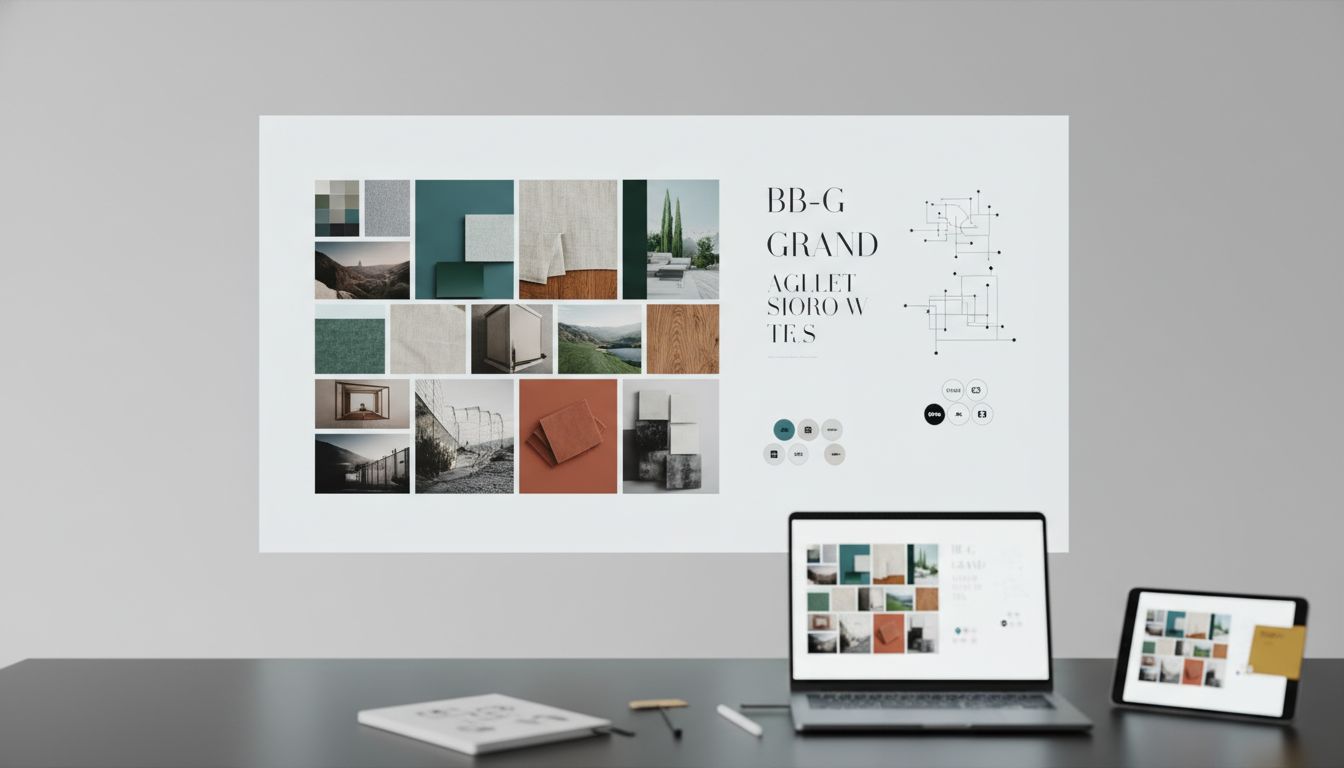
At its core, a moodboard is a curated collection of visual assets—ranging from photographs, illustrations, and color palettes to typography samples, textures, and descriptive words. It is designed to evoke a specific style, feeling, or concept. Think of it as a visual brainstorm; a collage that translates a brand’s core values and mission statement into a visual language that everyone can understand.
Physical vs. Digital Moodboards
Historically, moodboards were entirely physical. Creative directors and designers would cut out images from magazines, collect fabric swatches, print out photographs, and pin them to a large foam board in a studio. This tactile approach allowed for a highly interactive and sensory experience, particularly useful for industries like interior design, fashion, and physical product development.
Today, while physical boards still hold value, the digital moodboard reigns supreme, especially in the realms of graphic and logo design. Digital moodboards are created using platforms like Pinterest, Milanote, Canva, or Adobe Creative Cloud. They offer unparalleled flexibility, allowing designers to easily swap out images, extract precise hexadecimal color codes, and instantly share the board with clients and stakeholders across the globe. Digital moodboards are dynamic, easily updated, and seamlessly integrated into the modern digital workflow.
The Intersection of Moodboards and Logo Design
When categorizing brand assets, logo design is often viewed as the pinnacle of a brand’s visual identity. However, a logo cannot exist in a vacuum. A successful logo is the distillation of a brand’s entire ethos into a single, recognizable mark. Because a logo must communicate so much with so little, the preparatory work is crucial.
Visualizing the Brand Identity Before Designing
Before committing time and financial resources to vectorizing a logo, a moodboard establishes the environmental context in which that logo will live. Will the logo sit on dark, moody backgrounds or bright, minimalist whitespaces? Will the brand voice be authoritative and traditional, or disruptive and playful? By curating a moodboard first, designers can test these visual hypotheses. If a moodboard leans heavily into organic textures, muted earth tones, and serif typography, the logo design will naturally follow suit, resulting in an emblem that feels holistic and intentional.
Bridging the Gap Between Client and Designer
One of the greatest challenges in logo design is translating subjective language into objective visuals. A client might request a logo that is “modern but approachable” or “edgy but professional.” These descriptors mean vastly different things to different people. A moodboard eliminates this ambiguity. By presenting a curated selection of images and styles, a designer can say, “Does this visual representation align with your definition of ‘modern’?” This preemptive alignment is the secret weapon of top-tier branding agencies.
What Is A Moodboard And Why Your Brand Needs One
Understanding the definition is only half the battle; recognizing the strategic value is what separates successful brands from forgettable ones. If you are still pondering the core question—What Is A Moodboard And Why Your Brand Needs One—the answer lies in strategic alignment, resource management, and emotional resonance.
Establishes a Strong Brand Foundation
A brand without a moodboard is like a house without a blueprint. You might end up with walls and a roof, but the structure will lack cohesion and stability. A moodboard establishes the rules of your visual identity early on. It dictates what belongs in your brand’s universe and, equally importantly, what does not. This foundation ensures that every subsequent piece of collateral—from your logo and website to your social media graphics and packaging—speaks with a unified voice.
Saves Time and Financial Resources
Revisions are the bane of any design project. When a designer creates a logo without a pre-approved visual direction, they are essentially shooting in the dark. If the client rejects the initial concepts because the “vibe is wrong,” the designer must start from scratch, costing the agency time and the client money. A moodboard acts as an early-stage checkpoint. Approving a moodboard takes a fraction of the time it takes to render a polished logo. By ensuring everyone is on the same page visually before the heavy lifting begins, brands save thousands of dollars in prolonged revision cycles.
Prevents Creative Misalignment
In any business, multiple stakeholders are often involved in the branding process. The CEO, the marketing director, and the lead designer may all have different visions for the brand’s future. A moodboard brings these disparate visions into a single, centralized arena. It allows for healthy debate and refinement *before* finalized designs are presented, preventing costly and frustrating creative misalignment down the line.
Essential Elements to Include in Your Brand’s Moodboard
A highly effective moodboard is not merely a random assortment of pretty pictures. It is a carefully engineered collection of specific design elements that work together to form a comprehensive visual ecosystem. To maximize the utility of your moodboard, ensure it includes the following core components.
Color Psychology and Palettes
Color is arguably the most impactful element of brand identity. Different colors evoke deep psychological responses; blue signals trust and security, yellow radiates optimism and energy, while black denotes luxury and sophistication. Your moodboard should feature a primary color palette (2-3 dominant colors) and a secondary palette (accent colors). Do not just use flat color squares; include photographs where these colors appear naturally in the real world to demonstrate how they interact with light and shadow.
Typography and Font Styles
Words matter, but *how* those words look matters just as much. Typography sets the tone of your brand’s voice. A moodboard should include examples of typography that align with your brand’s personality. Include examples of strong, bold sans-serif fonts for a modern tech company, or elegant, sweeping script fonts for a boutique wedding planner. Showcasing how headers and body copy will look next to each other helps visualize the brand’s editorial style.
Photography, Illustration, and Iconography
The imagery you choose will heavily dictate your brand’s narrative. If you are a lifestyle brand, your moodboard should feature candid, warmly lit photography of people interacting with their environment. If you are a B2B software company, you might lean toward clean, isometric illustrations and minimalist iconography. The moodboard should establish the exact style, lighting, and composition of the imagery your brand will use moving forward.
Textures and Patterns
Textures add depth and tactile feeling to a visual identity. Even in a digital space, the visual suggestion of texture—such as a grainy film overlay, a smooth metallic gradient, or a rough kraft paper background—can significantly alter how a brand is perceived. Patterns, whether geometric or organic, can serve as excellent background elements for websites and packaging, and should be conceptualized on the moodboard.
Step-by-Step Guide to Creating an Effective Moodboard
Now that the theoretical value of a moodboard is clear, how do you actually go about building one? Creating a moodboard that yields actionable results requires a systematic approach.
Step 1: Define Your Brand Core Values
Before you look for a single image, you must define your brand in words. Write down 5 to 10 adjectives that perfectly describe your brand. Is it premium, rugged, whimsical, corporate, or eco-friendly? Establish your target audience and your unique value proposition. These written concepts will act as the filter through which you select your visual elements.
Step 2: Gather Inspiration Broadly
During this phase, do not self-edit too heavily. Cast a wide net. Browse Pinterest, Behance, Dribbble, design blogs, and even physical magazines. Look outside of your specific industry for inspiration. If you are designing a logo for a coffee shop, look at the branding of vintage automotive companies or high-end fashion labels. Save anything that resonates with the adjectives you defined in Step 1.
Step 3: Curate and Refine Your Selections
This is where the magic happens. Take your massive collection of inspiration and begin to ruthlessly edit it down. Look for emerging themes and patterns. You may notice that you have subconsciously saved a dozen images featuring deep forest greens and copper accents. Discard the images that clash with the dominant theme. A strong moodboard usually consists of 10 to 20 highly curated images, not 100 random ones.
Step 4: Organize for Maximum Impact
The arrangement of your moodboard matters. Establish a visual hierarchy. Place the most important or evocative images in the center or make them larger than the rest. Group similar elements together—keep typography samples in one corner and color swatches in another, or seamlessly blend them to show how they interact. Ensure the final composition is aesthetically pleasing and clearly communicates the intended brand narrative.
Key Takeaways
- Foundation for Design: A moodboard is the critical first step in logo design, acting as a visual blueprint before any actual designing begins.
- Eliminates Ambiguity: It bridges the communication gap between clients and designers by translating subjective feelings into objective visual data.
- Saves Time and Money: By securing early visual alignment, moodboards drastically reduce the need for extensive, costly revisions later in the project.
- Essential Elements: A comprehensive moodboard must include curated color palettes, typography styles, photographic direction, and textural elements.
- Strategic Curation: Effective moodboards are not random collages; they are ruthlessly curated collections that reflect pre-defined brand values and target demographics.
Frequently Asked Questions
How long should it take to create a moodboard?
The timeline can vary based on the complexity of the project, but generally, creating a professional moodboard takes anywhere from a few days to a week. This allows enough time for broad conceptual brainstorming, comprehensive image gathering, and ruthless curation to ensure the final board perfectly aligns with the brand strategy.
Can a moodboard change over time?
Absolutely. While a moodboard is meant to guide your initial brand creation or logo design, brands are living entities. As your company evolves, enters new markets, or updates its product lines, your moodboard can and should be refreshed to reflect these new strategic directions. It is a dynamic tool, not a static artifact.
What is the difference between a moodboard and a brand style guide?
A moodboard is an exploratory, inspirational tool used at the beginning of the design process to establish a general feeling and visual direction. A brand style guide is a strict, finalized rulebook created at the end of the design process. The style guide dictates exactly how the finalized logo, colors, and fonts must be used in practical applications.
Do I really need a moodboard if I already have a logo concept?
Yes. Even if you have a rough sketch or a strong idea for a logo, a moodboard helps flesh out the world in which that logo will live. It helps you determine the exact color palettes, typography pairings, and photographic styles that will surround your logo, ensuring your entire brand identity is cohesive, rather than just having a standalone logo.
Which tools are best for creating a digital moodboard?
There are several excellent tools available for digital moodboarding. Pinterest is great for initial image gathering. Milanote and InVision are fantastic for organizing elements on a free-form digital canvas. Canva offers excellent pre-made templates for beginners, while Adobe Illustrator and Photoshop remain the industry standards for professional designers looking for ultimate layout control.
Conclusion
Establishing a compelling brand identity requires much more than a fleeting idea and a quick sketch; it requires deep strategic thought, visual exploration, and precise execution. Understanding the core concept of What Is A Moodboard And Why Your Brand Needs One is the differentiator between a brand that looks disjointed and amateurish, and one that commands authority and trust in the marketplace. By taking the time to curate colors, typography, imagery, and textures into a cohesive visual roadmap, you empower your design team to create a logo and brand identity that truly resonates with your target audience.
Whether you are navigating a complex corporate rebrand or launching a passionate new startup, utilizing a moodboard will save you invaluable time, protect your financial resources, and ensure that your final visual output is nothing short of extraordinary. If you are ready to transition your abstract ideas into a powerful, tangible brand identity, partnering with seasoned professionals can make all the difference. For expert guidance in translating your vision into a world-class visual asset, consider collaborating with agencies like London Logo Designs, who understand the profound impact of strategic moodboarding in the logo creation process. Start collecting your inspiration today, and lay the unshakeable foundation your brand deserves.