Introduction
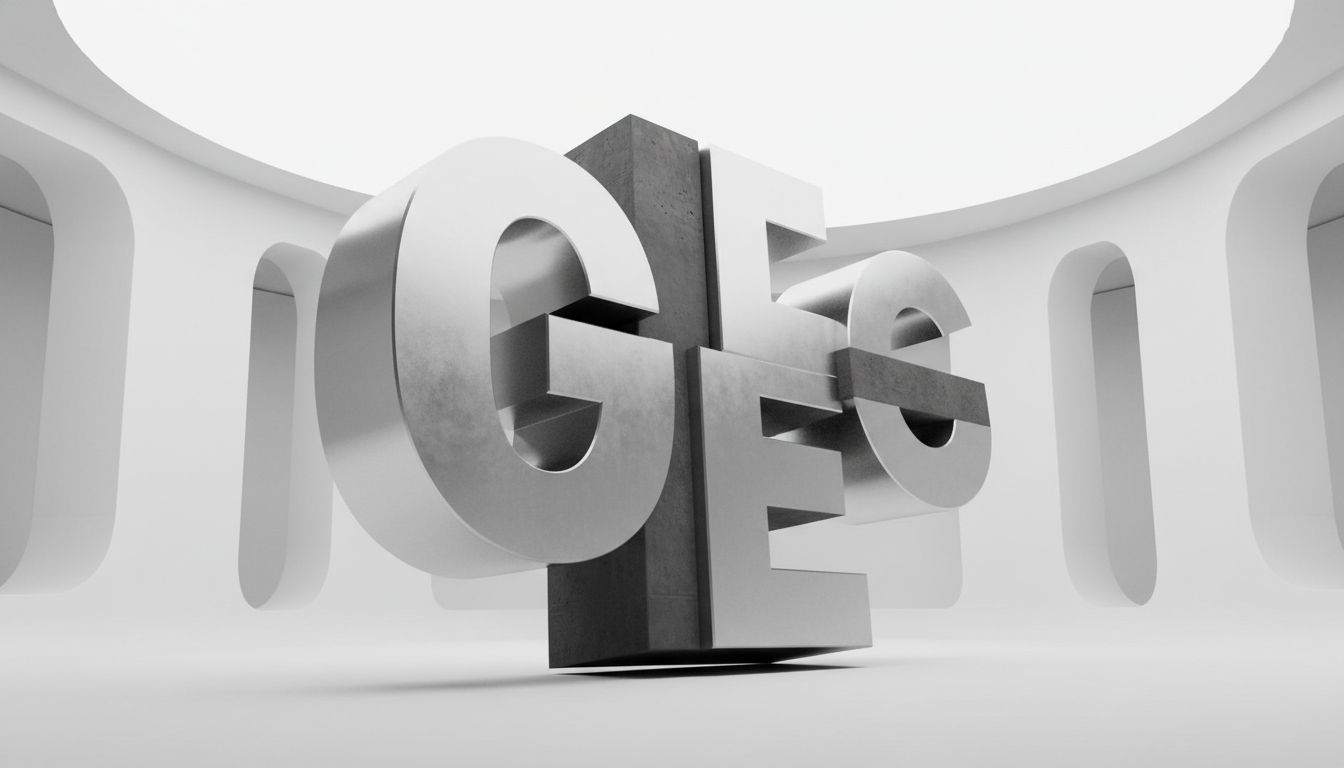
In the fast-paced, visually saturated landscape of modern business, capturing consumer attention is more challenging than ever. Brands are constantly battling digital noise, striving for instant recognition in a fraction of a second. This intense competition has driven a massive paradigm shift in brand identity creation, moving away from complex, illustrative emblems and toward striking, minimalist typographic solutions. At the forefront of this movement is Bold Lettermark Logo Design: The Power Of Oversized Typography.
A lettermark, or monogram, is a typography-based logo comprised of a few letters, usually a company’s initials. When executed with bold, oversized typography, these designs transcend traditional text to become powerful, standalone visual symbols. They exude confidence, establish immediate authority, and offer unparalleled versatility across a myriad of digital and physical touchpoints. From the tiny favicon on a mobile browser to the massive digital billboards of Times Square, oversized typography guarantees that a brand’s core identity remains legible, impactful, and memorable.
This comprehensive guide delves deep into the strategic advantages, psychological impact, and foundational design principles of utilizing oversized typography in your brand architecture. Whether you are a startup looking to disrupt the market or an established enterprise considering a strategic rebrand, understanding the mechanics of bold lettermarks is essential for crafting a timeless, high-performing visual identity.
The Evolution of Typography in Brand Identity
From Intricate Crests to Minimalist Lettermarks
Historically, brand logos were intricate and highly detailed. In the early days of commerce, companies relied on elaborate crests, detailed coats of arms, and complex pictorial marks to convey heritage, trust, and craftsmanship. However, as consumer culture evolved and the speed of communication accelerated, these complex designs became a liability. They were difficult to reproduce in print, impossible to scale down, and required too much cognitive effort for consumers to process quickly.
The mid-20th century saw the rise of modernism in graphic design, championing the “less is more” philosophy. Designers began stripping away superfluous elements, focusing on clean lines, geometric shapes, and robust typography. This era birthed some of the most iconic lettermarks in history. Brands realized that by distilling their identity down to their foundational initials, they could achieve a level of clarity and recall that complex illustrations simply could not match.
Why Oversized Typography is Dominating the Digital Era
As we transition deeper into the digital-first era, the constraints of screen sizes have dictated design trends. The rise of smartphones, smartwatches, and app-based ecosystems demands logos that are highly legible at microscopic sizes. Oversized typography solves this problem inherently. By maximizing the visual weight of a single letter or a short acronym, brands ensure that their primary identifier is unmistakable, regardless of the medium.
Furthermore, oversized typography plays perfectly into the modern aesthetic of brutalism and maximalist minimalism—where a single, massive element commands the entire canvas. This approach strips away distractions, forcing the viewer to engage directly with the raw, unadulterated essence of the brand name.
Understanding Bold Lettermark Logo Design: The Power Of Oversized Typography
What Defines a Lettermark Logo?
A lettermark logo is fundamentally a typographic symbol. Unlike a wordmark, which spells out the entire name of a company (like Google or Coca-Cola), a lettermark utilizes only the initials (like HBO, CNN, or IBM). This strategy is particularly effective for companies with long, multi-word names that are cumbersome to use in tight visual spaces.
When we introduce the concept of “oversized typography” into lettermark design, we are talking about scaling the letterforms to dominate the visual hierarchy. The letters are no longer just reading material; they become structural, architectural elements of the design. The negative space inside and around the letters becomes just as important as the strokes themselves.
The Psychology Behind “Bold” and “Oversized”
Human psychology dictates how we perceive visual weight. Bold, heavy typefaces inherently communicate strength, stability, and reliability. When a consumer sees a thick, oversized lettermark, their brain subconsciously registers the brand as established, authoritative, and confident. There is no need to hide behind intricate graphics; the brand is self-assured enough to stand purely on its name.
Oversized typography also reduces cognitive friction. The human brain processes simple, bold shapes much faster than complex imagery. By utilizing a bold lettermark, you are essentially creating a visual shortcut in the consumer’s mind, allowing them to identify and recall your brand with zero hesitation.
Key Advantages of Choosing Oversized Lettermarks
Unmatched Scalability and Responsiveness
One of the most critical requirements for a modern logo is responsive scalability. A logo must perform flawlessly across an incredibly diverse range of applications. Oversized lettermarks excel in this arena. Because they rely on thick strokes and simplified forms, they do not lose their integrity when scaled down for an Instagram profile picture, a website favicon, or a mobile app icon. Conversely, when blown up on a storefront or a billboard, the bold typography commands attention and creates a striking visual impact.
Instant Brand Recognition and Recall
In a crowded marketplace, brand recall is the ultimate currency. Oversized lettermarks facilitate instant recognition because they turn typography into an iconic shape. Think of the golden arches of McDonald’s (a stylized ‘M’) or the bold, red ‘N’ of Netflix. These are not just letters; they are instantly recognizable symbols that trigger immediate brand association. By leveraging Bold Lettermark Logo Design: The Power Of Oversized Typography, businesses can train their audience to recognize them with just a single glance.
Timelessness Over Trendy Aesthetics
Design trends come and go. Gradients, 3D effects, and intricate line art may look modern today but can quickly feel dated in a few years. Typography, however, possesses a timeless quality. A well-crafted, bold lettermark rooted in solid geometric principles can last for decades without requiring a redesign. This longevity protects your brand equity and ensures that your visual identity remains a consistent anchor for your audience over time.
Crucial Elements of an Effective Oversized Lettermark
Selecting the Right Typeface
The foundation of any typographic logo is the typeface itself. Because there are no accompanying icons to convey brand personality, the font must do all the heavy lifting.
- Sans-Serif: Bold sans-serif fonts are the go-to choice for modern, tech-forward, and accessible brands. They offer clean lines, perfect geometry, and a highly contemporary feel.
- Serif: Thick, high-contrast serif fonts communicate elegance, tradition, luxury, and authority. They are ideal for high-end fashion, legal firms, and editorial brands.
- Slab Serif: Slab serifs provide a rugged, industrial, and highly impactful aesthetic. They are excellent for brands wanting to convey durability and strength.
Many top-tier brands opt for custom-drawn letterforms rather than off-the-shelf fonts to ensure their oversized lettermark is entirely unique and proprietary.
Mastering Kerning and Negative Space
When letters are oversized, the space between them (kerning) and the space within them (negative space) becomes magnified. Poor kerning is instantly noticeable and can ruin the professional appearance of a logo. Expert designers meticulously adjust the spacing to ensure visual balance and harmony.
Furthermore, oversized typography provides a brilliant canvas for utilizing negative space cleverly. By manipulating the gaps in and around bold letters, designers can hide secondary symbols or create optical illusions that add a layer of cleverness and depth to the brand identity, rewarding the viewer for looking closely.
The Role of Color Palette in Typographic Logos
Because bold lettermarks are visually heavy, color plays a pivotal role in dictating the mood of the logo. A massive, bold lettermark in stark black and white communicates high-end luxury, minimalism, and utter confidence. Injecting a vibrant, electric color can transform that same bold typography into something youthful, energetic, and disruptive. When utilizing oversized typography, it is often best to keep the color palette restricted to one or two bold colors to maintain the logo’s striking simplicity.
Common Pitfalls to Avoid in Lettermark Design
Sacrificing Legibility for Style
The most common mistake in designing an oversized lettermark is pushing the abstraction too far. While it is tempting to heavily modify letterforms to make them look unique, the primary function of a lettermark is to be read. If the target audience cannot immediately discern what letters make up the logo, the design has failed. Bold typography must strike a delicate balance between artistic distinctiveness and absolute legibility.
Ignoring Cross-Platform Compatibility
Another pitfall is designing a bold lettermark in isolation without testing it in real-world environments. A massive lettermark might look incredible on a stark white presentation slide, but how does it look when overlaid on a busy photograph? How does it read when reversed out in white against a dark background? Failing to create comprehensive brand guidelines that account for diverse backgrounds and use cases can severely limit the effectiveness of an oversized typographic logo.
How to Implement Oversized Typography in Your Rebrand
Auditing Your Current Brand Architecture
Before transitioning to an oversized lettermark, it is crucial to conduct a thorough audit of your current brand identity. Ask yourself: Is your current logo too complex for digital applications? Does your business name lend itself well to an acronym or a single-letter identifier? Are you looking to project a more authoritative, modern, and confident image? If the answer is yes, embracing bold typography may be the strategic move your brand needs to elevate its market positioning.
Partnering with Design Experts
Executing a flawless bold lettermark requires a deep understanding of typographic rules, optical alignment, and brand strategy. It is not merely about typing a letter and increasing the font size. It requires meticulous craftsmanship. To achieve a truly world-class result, it is highly recommended to partner with specialized professionals. For instance, collaborating with an agency like London Logo Designs ensures that your oversized typography is crafted with precision, strategic intent, and a deep understanding of current market dynamics. Professional designers will construct your lettermark using custom vector geometry, ensuring it is perfectly balanced and ready to dominate your industry.
Key Takeaways
- Minimalism Drives Impact: Stripping away complex graphics in favor of bold typography allows your brand to cut through digital clutter.
- Unbeatable Scalability: Oversized lettermarks maintain their visual integrity whether on a smartwatch screen or a billboard.
- Psychological Authority: Heavy, bold letterforms subconsciously communicate strength, stability, and industry dominance to consumers.
- Customization is Key: Relying on custom-drawn typography rather than standard fonts ensures your lettermark remains unique and proprietary.
- Focus on Negative Space: The space around and inside massive letters is just as important as the ink itself, providing opportunities for clever, memorable design.
Frequently Asked Questions
1. What is the difference between a lettermark and a wordmark?
A lettermark (or monogram) uses only the initials or a single letter of a brand’s name, such as “IBM” or “HBO.” A wordmark spells out the entire name of the company, such as “Google” or “Coca-Cola.” Lettermarks are ideal for brands with long or hard-to-pronounce names.
2. Can oversized typography work for traditional or conservative industries?
Absolutely. While bold, oversized typography is popular in tech and fashion, it can be highly effective for traditional industries like finance or law. By utilizing high-contrast, bold serif typefaces, conservative brands can project an image of established authority, heritage, and unwavering trust.
3. How do I know if my brand needs a bold lettermark logo?
If your current logo is difficult to read at small sizes, fails to make a strong impact on digital platforms, or if your company name is excessively long, transitioning to a bold lettermark is a highly strategic solution. It simplifies your visual identity while amplifying your brand’s presence.
4. Will an oversized lettermark limit my brand’s visual identity?
No, it actually provides a highly versatile foundation. A bold lettermark acts as a strong anchor. You can build a rich, dynamic visual identity around it using expressive color palettes, engaging photography, and dynamic supporting graphics. The logo itself remains a constant, recognizable staple.
5. Why is kerning so important in oversized typography?
Kerning—the adjustment of space between individual characters—is critical because oversized typography magnifies every detail. Even a millimeter of disproportionate space between massive letters creates visual tension and makes the logo look unprofessional. Perfect kerning ensures optical balance and harmony.
Conclusion
The trajectory of modern branding is clear: clarity, impact, and adaptability are the ultimate drivers of success. Bold Lettermark Logo Design: The Power Of Oversized Typography represents far more than a fleeting aesthetic trend; it is a strategic approach to brand architecture designed for the demands of the modern world. By stripping away unnecessary complexity and amplifying the fundamental letters of your brand name, you create a visual identity that is unignorable.
Oversized typography communicates a profound sense of confidence. It tells your audience that your brand is established, authoritative, and forward-thinking. Furthermore, the functional benefits—ranging from flawless digital scalability to instantaneous brand recall—make it an invaluable asset for any business intent on dominating its market sector. Whether you are launching a new venture or revitalizing a legacy brand, embracing the heavy, unyielding power of bold lettermarks will ensure your identity not only stands out but stands the test of time.