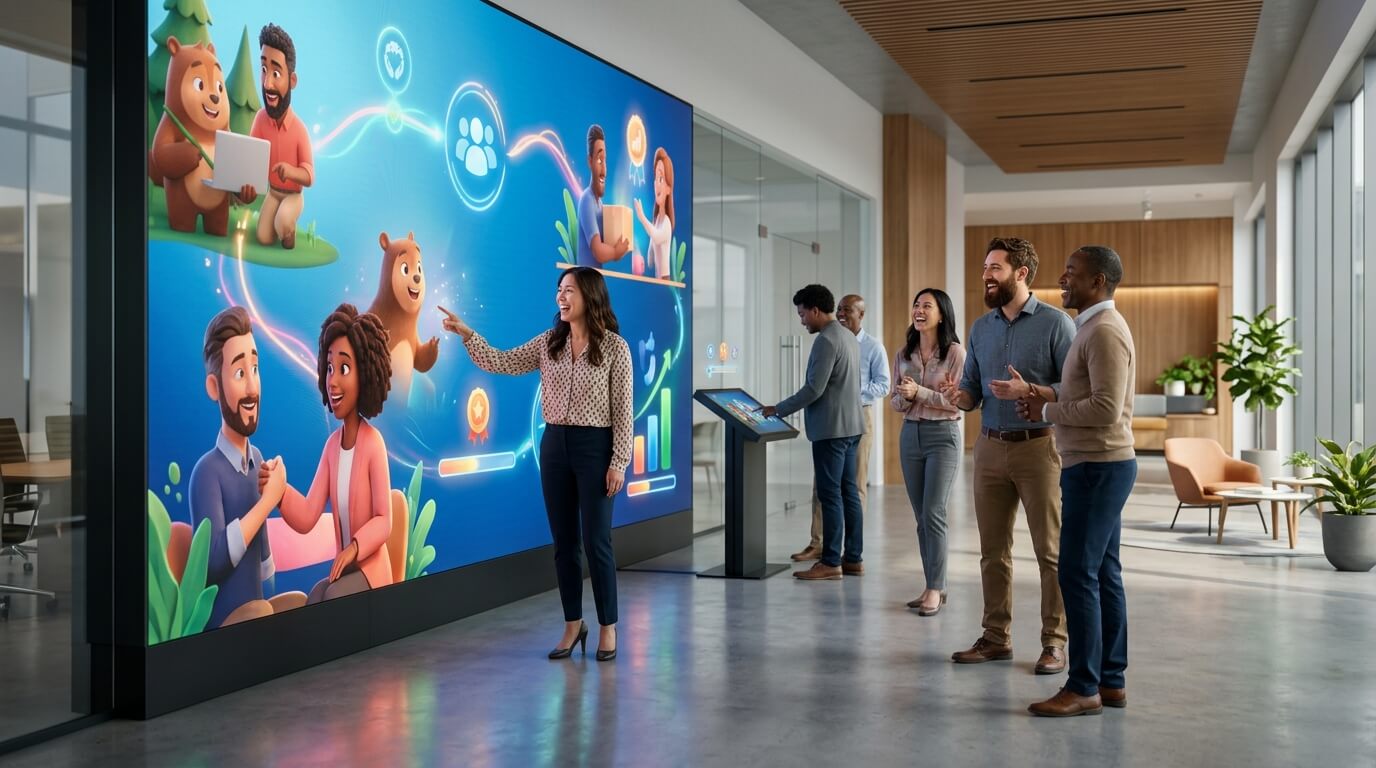
Customer retention has become one of the most important priorities for modern businesses. Attracting a new customer requires time, money, advertising, sales effort, and consistent marketing. Keeping that customer, however, depends on what happens after the first purchase or sign-up. Customers need to understand the value of a product, feel connected to a brand, receive useful support, and have compelling reasons to return. This is where animation can become a powerful communication and retention tool.
Animation is no longer limited to entertainment, advertising, or children’s content. Businesses now use animated explainer videos, product demonstrations, onboarding animations, educational content, tutorials, social media videos, and personalized visual messages to communicate with customers throughout their journey. By making information easier to understand and experiences more engaging, animation can help businesses build stronger relationships with their audiences.
The growing popularity of video supports this shift. According to Wyzowl’s 2026 research, 91% of businesses use video as a marketing tool, while 93% of video marketers consider it an important part of their overall strategy. More importantly for retention, 40% of video marketers say they measure video success through customer engagement and retention.
The real value of animation is not simply that it makes content visually attractive. Effective animation helps customers understand what they bought, discover features they may not know about, solve problems, remember a brand, and continue interacting with a company. When used strategically, these experiences can reduce confusion and increase the perceived value of the customer relationship.
Why Customer Retention Matters
Retention Is About More Than Repeat Purchases
Customer retention is often associated with customers making repeat purchases, but the concept is much broader. A retained customer continues to interact with a business because the company consistently provides value. For a software company, retention might mean continued subscription usage. For an online service, it could mean returning regularly and using multiple features. For an e-commerce company, retention may involve repeat orders and continued engagement with the brand.
Customers are more likely to remain loyal when they understand how a product solves their problems and when interacting with the company feels simple. Even a high-quality product can lose customers if its features are confusing, its onboarding process is overwhelming, or customers cannot quickly find answers to their questions.
Animation can address these challenges by turning complicated information into visual experiences that customers can understand quickly.
The Customer Experience Influences Loyalty
Retention is closely connected to customer experience. Every interaction influences whether a customer feels confident about continuing a relationship with a brand. A complicated setup process can create frustration. A confusing instruction manual can make a product seem difficult. A long support article may leave customers searching for answers.
Animation can make these interactions easier. A short animated tutorial can demonstrate a process step by step. An onboarding animation can introduce important features without overwhelming the user. A visual troubleshooting video can show customers exactly what to do instead of requiring them to interpret lengthy written instructions.
This convenience can make customers feel that a company understands their needs and respects their time.
How Animation Makes Information Easier to Understand
Visual Storytelling Simplifies Complex Ideas
One of the strongest advantages of animation is its ability to simplify information. Some products and services are difficult to explain using text alone. Technical platforms, financial services, healthcare technologies, software applications, and specialized products may contain processes that customers need to understand before they can appreciate the product’s value.
Animation allows businesses to visualize these processes. Instead of describing how different components interact, a company can show those components moving together. Instead of writing several paragraphs about a software workflow, an animated video can demonstrate the process from beginning to end.
This is particularly useful after a purchase because customers often need education before they can fully use a product. If they understand the product better, they are more likely to use it successfully and recognize its value.
Wyzowl’s 2026 research found that 93% of video marketers say video has helped increase users’ understanding of their product or service. The same research found that 63% of consumers would prefer to watch a short video when learning about a product or service.
Animation Reduces Information Overload
Customers are exposed to enormous amounts of information every day. Long instructions, complicated documentation, technical explanations, and dense webpages can quickly become overwhelming.
Animation offers a way to organize information visually. Movement can direct attention toward the most important element, while narration and on-screen text can reinforce the message. Instead of presenting everything at once, animation can introduce information progressively.
This makes the learning experience more manageable. Customers can focus on one concept before moving to the next, which is especially valuable during onboarding and product education.
Animation Strengthens Customer Onboarding
A Strong First Experience Can Influence Long-Term Retention
The period immediately after a customer signs up or purchases a product is critical. Customers need to reach the point where they understand the product and experience its value. If they struggle during this stage, they may abandon the product before developing a habit around it.
Animated onboarding videos can make this stage more welcoming. A company can introduce the product, explain the first steps, demonstrate important features, and show customers where to find additional support.
Rather than giving new customers a large amount of information at once, businesses can create a sequence of short animations that guide them through the experience.
Animated Tutorials Encourage Product Adoption
Retention depends heavily on product adoption. Customers who purchase a product but never use its important features may eventually decide that they do not need it.
Animation can introduce customers to features gradually. For example, a software company might create separate animations explaining account setup, dashboard navigation, reporting tools, integrations, and advanced features.
This approach does more than teach customers how to use the product. It helps them discover additional value, which can strengthen their reason to continue using it.
Animation Keeps Customers Engaged
Moving Visuals Capture Attention
Static content can be useful, but animation introduces movement, pacing, characters, transitions, and visual storytelling. These elements can make educational and marketing content more engaging.
Engagement matters because customers are more likely to remember information when they actually pay attention to it. If a customer ignores an onboarding message or skips a long explanation, the information has little practical value.
A concise animated video can create a stronger invitation to engage. Wyzowl’s 2026 data shows that 84% of consumers want to see more videos from brands, suggesting that video remains a preferred communication format for many audiences.
Animation Makes Educational Content Less Intimidating
Education does not have to feel like a lesson. Animation can give instructional content personality and warmth. Characters, storytelling, humor, visual metaphors, and simple illustrations can make complicated subjects feel more approachable.
This can be particularly valuable for brands operating in industries where customers may feel intimidated by technical or unfamiliar information.
When customers feel comfortable learning, they are more likely to explore the product rather than abandoning it because the learning curve feels too difficult.
Animation Builds Brand Recognition
Consistent Visual Identity Creates Familiarity
Retention is not only about product functionality. Customers also develop emotional and visual associations with brands. Consistent colors, characters, illustration styles, typography, animation techniques, and storytelling can make a company’s content recognizable.
Over time, customers begin to associate a particular visual style with the brand. This familiarity can contribute to brand recognition and make future communications feel more recognizable.
Animation can therefore become part of a company’s broader brand identity rather than functioning as an isolated marketing asset.
Storytelling Can Create Emotional Connections
People do not build relationships with businesses based entirely on specifications and features. They also respond to stories, emotions, personalities, and shared values.
Animation gives brands considerable creative freedom to tell those stories. A company can use an animated character to represent a customer problem, illustrate a transformation, or communicate the purpose behind a product.
This storytelling capability can help customers see a brand as more than a provider of products or services. It can make the relationship feel more personal.
Animation Improves Customer Support
Visual Instructions Can Reduce Confusion
Customer support is another area where animation can contribute to retention. When customers encounter a problem, they usually want a solution quickly. Reading through a long knowledge-base article may not always be the fastest way to find that solution.
Animated troubleshooting videos can visually demonstrate the process. Customers can watch where to click, what to adjust, or which sequence of actions to follow.
This is particularly useful for products involving multiple steps or technical processes.
Animation Can Reduce Repetitive Support Requests
Businesses can also use animated videos to answer common questions before customers contact support. Frequently asked questions can become short educational animations that explain common processes.
Wyzowl reports that 57% of video marketers say video has helped reduce support queries.
Reducing repetitive support requests benefits both sides. Customers receive faster answers, while support teams can devote more time to complex issues that require personal assistance.
Animation Creates More Opportunities for Customer Education
Education Can Continue After the Purchase
Customer education should not stop when someone completes a purchase. As customers become more familiar with a product, they may want to explore advanced features, new use cases, or additional services.
Animation allows businesses to maintain this educational relationship. Companies can release advanced tutorials, feature announcements, product updates, industry explainers, and practical tips.
This ongoing education can give customers new reasons to return to the brand’s website, social channels, application, or email communications.
Product Updates Become Easier to Explain
Product updates can sometimes confuse existing customers. A new feature may be useful, but customers may not understand why it matters or how to use it.
An animated feature announcement can demonstrate the change visually. Instead of simply stating that a feature has been added, the company can show how it works and explain the benefit.
This makes updates easier to understand and can encourage customers to adopt new functionality.
How Animation Supports Different Stages of Retention
| Customer Stage | Animation Use | Retention Benefit |
| Onboarding | Welcome and setup animation | Helps customers reach initial value faster |
| Early product use | Tutorials and demonstrations | Builds confidence and encourages adoption |
| Regular usage | Tips and educational videos | Encourages continued engagement |
| Feature discovery | Feature animations | Helps customers recognize additional value |
| Customer support | Troubleshooting animations | Provides quick solutions and reduces frustration |
| Product updates | Animated announcements | Makes new features easier to understand |
| Loyalty building | Brand stories and personalized content | Strengthens emotional connection |
| Re-engagement | Short reminder or educational animations | Encourages inactive customers to return |
Animation Helps Customers See More Value in a Product
Demonstrating Benefits Is More Powerful Than Listing Features
A list of features tells customers what a product contains. Animation can demonstrate what those features actually accomplish.
This distinction matters because customers generally care about outcomes rather than features alone. They want to know how a product will save time, solve a problem, improve productivity, reduce costs, or make something easier.
Animation can show the transformation from problem to solution. By visualizing the customer’s experience, businesses can make product benefits more concrete.
Showing Hidden Features Can Increase Perceived Value
Customers may only use a small percentage of a product’s capabilities. If they do not know about additional features, they may underestimate the value of what they purchased.
A series of short animations can gradually reveal those features. This can create a sense of discovery while encouraging customers to use more of the product.
Greater product usage can lead to greater perceived value, which can support long-term retention.
Personalization Makes Animated Content More Relevant
Different Customers Need Different Information
Not every customer has the same goals or level of experience. A new customer may need a basic introduction, while an experienced customer may want advanced techniques.
Businesses can create different animated videos for different segments. New customers might receive beginner-oriented onboarding content, while long-term customers receive advanced feature tutorials or specialized recommendations.
This makes communication more relevant and reduces the likelihood that customers will receive information they do not need.
Personalized Animation Can Support Re-Engagement
When customers become inactive, generic reminders may not be enough to bring them back. Animated content can provide a more engaging way to reconnect.
For example, a business could create a short animation explaining a feature the inactive customer has not used or demonstrate a new capability that addresses their previous needs.
The objective is not simply to remind customers that the brand exists. It is to give them a meaningful reason to return.
How Businesses Can Use Animation Throughout the Customer Journey
Before the Purchase
Animation can set expectations by explaining what a product does and how it works. This helps customers make informed decisions and can reduce misunderstandings after purchase.
Immediately After Purchase
Animated welcome videos can introduce the next steps and reassure customers that they have made the right decision. A clear onboarding sequence can help customers begin using the product quickly.
During Regular Usage
Tutorials, educational animations, feature demonstrations, and tips can encourage customers to explore the product more deeply.
During Support Interactions
Short troubleshooting animations can provide immediate assistance and help customers resolve straightforward problems without waiting for a support representative.
During Re-Engagement
For customers who have become inactive, targeted animations can introduce new features, demonstrate overlooked benefits, or provide useful information connected to their previous activity.
Measuring the Impact of Animation on Retention
Animation should not be treated as successful simply because a video receives views. Businesses need to connect animated content with customer behavior.
Useful measurements can include video completion rates, repeat product usage, feature adoption, support-ticket volume, returning users, subscription renewals, repeat purchases, and customer retention rates.
Wyzowl’s 2026 research shows that marketers use several different measurements for video ROI, including engagement, leads and clicks, customer engagement and retention, brand awareness, and sales.
The most useful approach is to connect a specific animation with a specific customer objective. If an onboarding animation is designed to increase feature adoption, businesses should measure whether customers who watch it actually use that feature more frequently. If a troubleshooting animation is created to reduce support requests, the company can compare support volume before and after its introduction.
This makes animation a measurable part of the customer experience rather than simply another content format.
Creating Animation That Actually Improves Retention
Focus on Customer Problems
The best animation begins with a customer problem rather than a desire to make something visually impressive. Businesses should identify where customers struggle and determine whether animation can make that experience easier.
A beautifully designed animation that does not solve a customer problem will have limited retention value.
Keep the Message Clear
Animation should simplify communication, not make it more complicated. Too many visual effects, characters, transitions, or messages can distract viewers from the main point.
A strong animation has a clear purpose and a logical progression. The viewer should understand what the video is trying to communicate within the first few moments.
Make the Content Easy to Access
Animated customer content should be available where customers naturally need it. Onboarding animations can appear inside applications or welcome emails. Tutorials can live within help centers. Feature videos can appear beside relevant tools.
The closer the animation is to the moment of need, the more useful it becomes.
Keep Improving Based on Feedback
Customer behavior can reveal whether an animation is working. If viewers frequently stop watching at a particular point, the explanation may be too long or unclear. If customers continue contacting support about the same issue after watching the video, the animation may need improvement.
Animation should therefore be treated as an evolving customer-experience asset. Businesses can update content as products, customer expectations, and common questions change.
The Long-Term Relationship Between Animation and Retention
Animation does not automatically make customers loyal. Retention depends on product quality, customer service, pricing, trust, reliability, and the overall experience. However, animation can strengthen several of the communication points that influence whether customers stay.
It can help customers understand products faster, discover useful features, solve problems independently, and remain engaged with a brand. It can also make complex information easier to consume and create a more recognizable brand experience.
The strongest results occur when animation is integrated into the customer journey rather than used only for advertising. A business that uses animation before the purchase but provides no visual education after the purchase is missing much of its potential.
When animation continues throughout onboarding, education, support, product updates, and re-engagement, it becomes part of the relationship between a company and its customers.
Conclusion
Animation can play an important role in improving customer retention because it makes communication clearer, more engaging, memorable, and accessible. From onboarding and product education to customer support and re-engagement, animated content can help customers understand products and recognize their ongoing value.
The key is to use animation with a purpose. Businesses should create content around real customer needs, keep messages simple, place videos where customers need them, and measure whether the content influences meaningful behaviors. When used as part of a broader customer experience strategy, animation can do much more than capture attention. It can help customers become confident users, discover greater value, and build stronger connections with a brand.
Frequently Asked Questions
Q1. How does animation improve customer retention?
Animation improves retention by making products easier to understand, simplifying onboarding, explaining features, answering common questions, and keeping customers engaged with useful content. These experiences can increase confidence and perceived product value.
Q2. Can animated videos reduce customer support requests?
Yes. Animated tutorials and troubleshooting videos can answer common questions visually and show customers exactly how to complete a process. Wyzowl’s 2026 research found that 57% of video marketers say video has helped reduce support queries.
Q3. Is animation useful after a customer makes a purchase?
Absolutely. Post-purchase animation can support onboarding, product education, feature discovery, troubleshooting, product updates, and re-engagement. In many cases, these uses are more directly connected to retention than promotional advertising.
Q4. How long should customer-retention animations be?
The ideal length depends on the complexity of the topic. Short animations are generally effective for simple instructions, while more detailed tutorials may require additional time. Wyzowl’s 2026 research found that 71% of marketers consider videos between 30 seconds and two minutes to be most effective.
Q5. How can businesses measure whether animation improves retention?
Businesses can compare retention rates, repeat purchases, subscription renewals, feature adoption, product usage, video engagement, support requests, and reactivation rates before and after introducing animated content. Connecting each animation to a specific customer objective makes its impact easier to evaluate.