Introduction
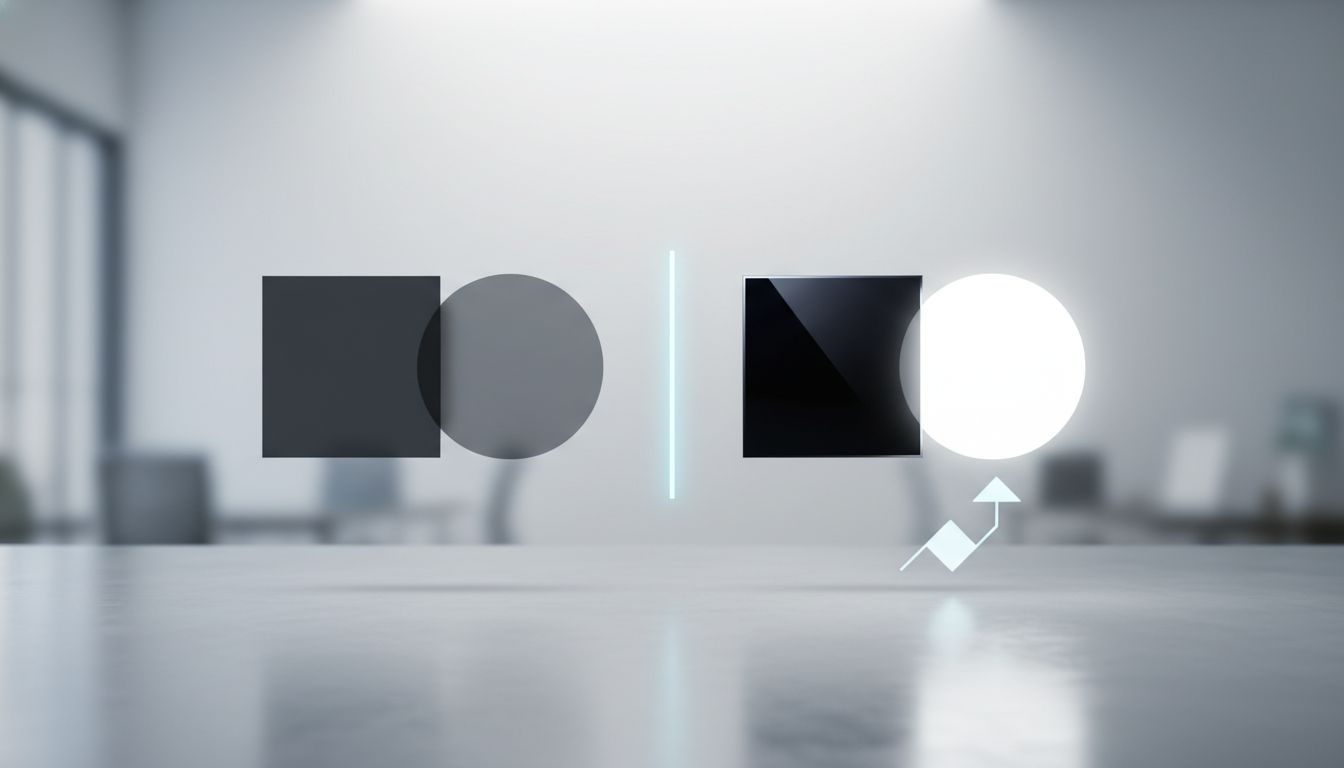
In the fiercely competitive landscape of modern branding, a logo serves as the definitive visual anchor for a company’s identity. It is the silent ambassador of your brand, tasked with communicating your values, industry, and professionalism in a fraction of a second. Amidst the myriad of design principles that govern effective branding, one element consistently stands out as the ultimate differentiator: contrast. Understanding exactly How To Add Contrast For A More Impactful Logo Design is not just an artistic endeavor; it is a strategic imperative that dictates how successfully your brand captures and retains consumer attention.
Industry trends continuously shift toward hyper-minimalism, digital-first interfaces, and responsive branding. In these environments, logos are often scaled down to the size of a mobile app icon or displayed against unpredictable, dynamic backgrounds. Without adequate contrast, a logo risks blending into the noise, losing its legibility, and ultimately failing its primary objective. Contrast is the catalyst that transforms a flat, uninspired graphic into a dynamic, memorable symbol. It creates visual tension, establishes a clear hierarchy, and guides the viewer’s eye exactly where you want it to go.
This comprehensive guide will delve deeply into the mechanics of visual contrast. We will explore the psychological impact of opposing elements, dissect the core methodologies for implementing contrast across color, typography, and form, and provide actionable insights for businesses looking to elevate their brand identity. Whether you are launching a startup or rebranding a legacy enterprise, mastering contrast is the key to forging a powerful, enduring logo.
Understanding the Psychology and Mechanics of Contrast
What Exactly is Contrast in Design?
At its most fundamental level, contrast refers to the juxtaposition of opposing elements within a design to highlight their differences. While novice designers often equate contrast exclusively with black and white or light and dark colors, true design contrast encompasses a much broader spectrum. It involves the strategic interplay of scale, shape, typography, texture, and spatial distribution. When you learn How To Add Contrast For A More Impactful Logo Design, you are essentially learning how to manipulate human perception.
Contrast works because the human brain is hardwired to detect anomalies and differences in our environment. This evolutionary trait, originally developed for survival, translates directly into how we process visual media. When a logo features high contrast, it reduces the cognitive load required for the brain to decipher the image. The elements stand out sharply, making the graphic instantly recognizable and easier to commit to memory.
The Role of Visual Hierarchy
Visual hierarchy is the arrangement of elements in a way that implies importance. Contrast is the primary tool used to establish this hierarchy. By applying higher contrast to the most critical part of your logo—such as the brand name or the central icon—you instantly signal to the viewer that this is the focal point. Secondary elements, such as taglines or supporting graphics, can be rendered with lower contrast to ensure they do not compete with the primary message. This deliberate orchestration of visual weight ensures that your logo communicates its message logically and powerfully.
How To Add Contrast For A More Impactful Logo Design: Core Strategies
1. Mastering Color Contrast
Color is arguably the most immediate and visceral form of contrast available to a designer. The strategic use of color can evoke specific emotions, communicate industry alignment, and drastically improve legibility. To master color contrast, designers rely on color theory and the color wheel.
- Complementary Colors: These are colors positioned directly opposite each other on the color wheel, such as blue and orange, or red and green. When placed side by side, complementary colors create maximum vibrancy and naturally draw the eye. However, they must be balanced carefully; using them in equal proportions can cause visual vibration. A common technique is to use one complementary color as a dominant background and the other as an accent.
- Value Contrast (Light vs. Dark): This involves pairing colors with drastically different brightness levels. A deep navy blue paired with a crisp, stark white is a classic example of high-value contrast. This type of contrast is crucial for legibility, especially when scaling a logo down for mobile screens or business cards.
- Saturation Contrast: This technique contrasts pure, intense colors with muted, desaturated tones. For example, a vibrant, neon green icon placed next to a subdued, charcoal grey typographic mark creates a sophisticated, modern contrast that highlights the icon without overwhelming the viewer.
2. Leveraging Typographic Contrast
For logotypes (logos composed primarily of text) and combination marks, typography carries the weight of the brand’s identity. Typographic contrast prevents a wordmark from looking monotonous and gives the brand name a distinct rhythm and personality.
- Font Pairing (Serif vs. Sans-Serif): One of the most effective ways to create typographic contrast is by pairing a traditional, elegant serif font with a clean, modern sans-serif font. This juxtaposition of the classic and the contemporary creates visual interest and can communicate a brand that is both established and forward-thinking.
- Weight and Style: Contrasting font weights—such as pairing an ultra-bold typeface with a hairline or light typeface—immediately establishes visual hierarchy. If a brand name consists of two words, rendering the primary word in a heavy weight and the secondary word in a lighter weight allows the logo to be read in a specific, intended order.
- Case Contrast: Mixing uppercase and lowercase letters can also generate contrast. An all-caps, tightly tracked font conveys authority and stability, while a lowercase, generously spaced font feels approachable and modern. Combining these styles within a single logo ecosystem can yield striking results.
3. Utilizing Shape and Form Contrast
The geometric structure of a logo speaks volumes to the subconscious mind. By introducing contrasting shapes, designers can create dynamic tension that makes a logo feel alive and active.
Consider the contrast between geometric and organic shapes. Geometric shapes (squares, perfect circles, sharp triangles) convey order, precision, and stability. Organic shapes (fluid curves, hand-drawn lines, asymmetrical blobs) convey nature, creativity, and human touch. When you integrate a sharp, angular typographic element with a soft, flowing icon, you create a powerful juxtaposition. This type of contrast is highly effective for tech companies that want to appear human-centric, or natural wellness brands that want to convey scientific efficacy.
Furthermore, contrast in edge quality—pairing razor-sharp corners with perfectly rounded edges—can modernize a logo and give it a bespoke, highly tailored appearance.
4. Scale and Proportion Contrast
Contrast in scale involves playing with the size relationships between different elements within the logo. A dramatic difference in size between the brand mark and the typography, or between the first letter of a wordmark and the rest of the text, creates an immediate focal point.
Many world-class designers utilize the Golden Ratio (1:1.618) to dictate the scale contrast within their logos. By ensuring that the size relationship between the primary icon and the secondary text adheres to this mathematical proportion, the resulting contrast feels naturally pleasing and structurally sound to the human eye. Scale contrast prevents a logo from looking like a flat, uniform block, giving it depth and spatial dimension.
Industry Trends: The Evolution of High-Contrast Logos
Adaptability for Dark Mode and Digital Interfaces
The ubiquitous rise of “dark mode” across operating systems and applications has revolutionized how designers approach contrast. A logo can no longer rely solely on a white background to provide contrast. Today, a successful logo must maintain its impact whether it is displayed against a glaringly bright background or a pitch-black OLED screen.
This necessity has driven a trend toward logos with inherently high-value contrast and adaptable color palettes. Brands are increasingly adopting stark, high-contrast monochrome versions of their logos to ensure absolute legibility across all digital touchpoints. If you want to know How To Add Contrast For A More Impactful Logo Design in the modern era, you must design with both light and dark interfaces in mind from day one.
The Power of Negative Space
Negative space—the empty space around and between the subjects of an image—is a brilliant way to introduce subtle, intellectual contrast. By contrasting the positive space (the actual ink or pixels) with the negative space (the background), designers can create hidden shapes and secondary meanings.
The legendary FedEx logo, which utilizes the negative space between the ‘E’ and the ‘x’ to form an arrow, is the pinnacle of this technique. This form of contrast rewards the viewer with a “eureka” moment, drastically increasing brand recall and cementing the logo’s impact in the consumer’s mind.
Common Mistakes to Avoid When Adding Contrast
Creating Visual Vibration
While high contrast is generally desirable, inappropriate color pairing can lead to visual vibration. This occurs when two highly saturated, complementary colors of similar value are placed directly next to each other (such as bright red and bright cyan). The edges where the colors meet appear to blur and vibrate, causing eye strain and rendering the logo illegible. To fix this, designers must alter the value or saturation of one of the colors, ensuring a smooth, comfortable contrast.
Sacrificing Brand Identity for Contrast
Contrast should always serve the brand’s core identity, not override it. A luxury spa brand, which typically relies on soft, muted tones to convey relaxation, should not employ glaring neon contrast simply to stand out. Instead, they should utilize subtle contrast in texture or typography. The contrast must align with the psychological message the brand intends to send. If you are looking to elevate your brand identity with the perfect balance of visual tension and brand alignment, consulting with experts such as London Logo Designs can ensure your contrast is executed flawlessly and professionally.
Overcomplicating the Design
A common pitfall for inexperienced designers is attempting to use every type of contrast simultaneously—mixing drastically different colors, multiple conflicting fonts, and erratic shapes all at once. This results in visual chaos rather than visual hierarchy. The most impactful logos utilize one or two forms of contrast masterfully, allowing the design to remain clean, scalable, and instantly recognizable.
Key Takeaways: Mastering Logo Contrast
- Contrast goes beyond color: It encompasses typography, scale, shape, and spatial distribution.
- Hierarchy is paramount: Use the highest level of contrast to draw the eye to the most important element of your logo first.
- Mind the medium: Ensure your logo’s contrast holds up in both dark mode and light mode across all digital devices.
- Opposites attract, but need balance: When pairing serif with sans-serif, or geometric with organic shapes, ensure one style remains dominant to avoid visual confusion.
- Accessibility matters: High-value contrast (light vs. dark) ensures your logo is legible to visually impaired users and readable at very small sizes.
- Less is more: Choose one or two methods of contrast to focus on rather than overcrowding the design with conflicting elements.
Frequently Asked Questions
1. What is the most effective type of contrast in logo design?
While effectiveness depends on the brand, value contrast (the difference between light and dark) is universally the most critical. It ensures that the logo remains legible regardless of color blindness, screen glare, or when printed in grayscale. Without strong value contrast, a logo’s shape and message are easily lost.
2. How do I know if my logo has enough contrast?
A highly practical test is the “squint test” or the “grayscale test.” Convert your logo to black and white; if the primary elements blend together and become indistinguishable, your contrast is too low. Additionally, shrinking the logo to the size of a favicon (16×16 pixels) will quickly reveal if the contrast is strong enough to maintain legibility at small scales.
3. Can too much contrast ruin a logo?
Yes. If contrast is applied without strategy, it can create a jarring, chaotic visual experience. Using overly saturated complementary colors can cause “visual vibration,” making the logo painful to look at. Furthermore, extreme contrast in typography (e.g., using five different fonts) destroys harmony and makes the brand look unprofessional.
4. Does contrast matter for minimalist logos?
Absolutely. In minimalist design, contrast is often the only tool a designer has to create impact. Minimalist logos rely heavily on stark negative space, precise scale contrast, and crisp edge contrast to make a memorable statement with very few elements. In fact, minimalism requires a higher mastery of contrast because there are no complex graphics to hide behind.
5. How does dark mode affect logo contrast?
Dark mode completely flips the traditional contrast paradigm. A logo designed with deep blue text on a white background will lose its contrast and disappear on a dark gray or black background. To combat this, modern logos must be designed with adaptable color palettes, often requiring a dedicated “inverted” or high-brightness variation specifically engineered for dark mode interfaces.
Conclusion
In the expansive and ever-evolving world of brand identity, a logo must do much more than simply look aesthetically pleasing; it must communicate rapidly, clearly, and memorably. Mastering the art of contrast is the definitive way to achieve this. By intelligently manipulating color values, typographic weights, geometric forms, and spatial proportions, a designer can guide the viewer’s eye, establish a definitive visual hierarchy, and evoke specific emotional responses.
Learning How To Add Contrast For A More Impactful Logo Design is an ongoing journey of balancing visual tension with brand harmony. It requires a deep understanding of cognitive psychology, color theory, and modern digital constraints. Whether you are leveraging the stark brilliance of negative space, pairing complementary colors for maximum vibrancy, or juxtaposing classic serifs with modern shapes, contrast is the engine that drives visual engagement.
Ultimately, a high-contrast logo is a confident logo. It refuses to fade into the background. For businesses looking to capture leads, build unbreakable brand equity, and stand out in a saturated market, auditing and optimizing your logo’s contrast is not just a design tweak—it is a vital business strategy. Take the time to evaluate your current visual identity, apply these principles of contrast, and watch as your brand’s impact scales to unprecedented heights.