
Introduction to the Visual Identity of a Sandbox Giant
In the vast pantheon of video game history, few symbols are as instantly recognizable as the jagged, stone-hewn typography of Minecraft. Since its humble beginnings as an indie experiment in 2009, Minecraft has evolved into the best-selling video game of all time, transcending the medium to become a global cultural phenomenon. At the heart of this empire lies its visual identity—a logo that perfectly encapsulates the game’s core mechanics: mining, building, and surviving. A deep dive into the Minecraft Logo History: Pixel Design and Gaming Culture Impact reveals more than just a timeline of graphic design; it tells the story of how a low-fidelity aesthetic challenged the obsession with hyper-realism and won the hearts of millions.
For graphic designers and branding experts, the evolution of the Minecraft logo serves as a masterclass in “truth to materials.” Just as a modernist architect respects the nature of concrete and steel, the Minecraft logo respects the voxel. It does not try to be sleek, vector-perfect, or corporate. Instead, it embraces the grit, the pixels, and the blocky nature of the game itself. This article explores the chronological evolution of this iconic emblem, analyzing the design choices that helped cement its status in pop culture and examining why pixelated design remains a potent force in modern branding.
The Pre-Alpha Era: The Birth of Blocky Branding (2009)
The “Cobblestone” Prototype
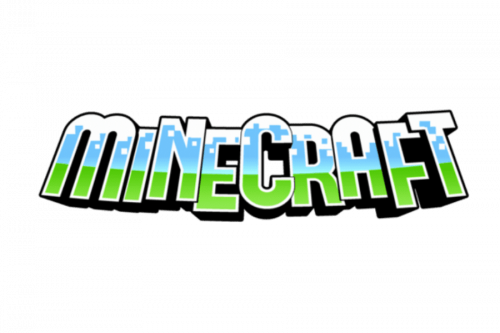
To understand the current dominance of the Minecraft brand, one must look back to the erratic development phase of 2009. When Markus “Notch” Persson first released the early builds of the game (then known as “Cave Game”), the branding was practically nonexistent. The very first iteration of the logo was a far cry from the polished stone emblem we know today. It was a simple, flat text graphic that utilized a texture resembling the in-game cobblestone blocks. This early design was raw and unrefined, mirroring the alpha state of the game itself.
The font was jagged, lacking the 3D perspective that would later give the brand its weight. However, even in this primitive state, the core identity was established: the logo was made of the game. This is a crucial distinction in the Minecraft Logo History: Pixel Design and Gaming Culture Impact. Unlike other games that commissioned high-concept art for their logos, Minecraft used its own assets. The text looked like something a player could build within the game world, establishing an immediate psychological link between the brand and the user experience.
The “Hayden” Iteration
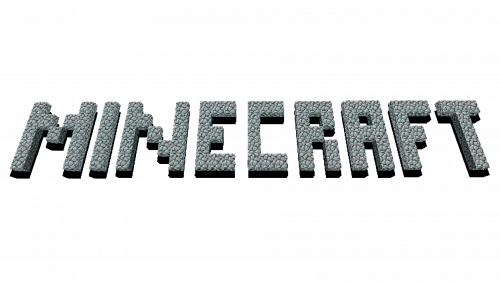
As the game moved rapidly through its development cycle, a temporary logo emerged known among historians as the “Hayden” logo. This version introduced a heavy 3D extrusion, giving the text significant depth. While it was short-lived and never became the definitive face of the franchise, it experimented with perspective—a feature that would become vital in later designs. It demonstrated that for the logo to feel “real” in a world of cubes, it needed to occupy three-dimensional space. It couldn’t just sit on the screen; it had to pop out, much like a block placed in the foreground of the player’s view.
The Golden Age: The “MineCon” Logo (2011–2015)
Defining the Iconic Look
The release of the official version of Minecraft in 2011 marked the debut of the logo that would define a generation. Often attributed to the collaboration between Notch and the design team at Mojang (and later refined by Madboy), this iteration is the bedrock of the franchise’s visual identity. The design featured the word “MINECRAFT” constructed out of cracked, grey stone blocks, rendered with a forced perspective that slanted upward and to the right.
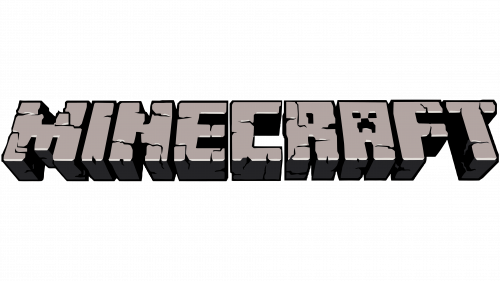
This design choice was brilliant in its specificity. The texture used was not just generic rock; it was specifically the “Cobblestone” texture, one of the most common and essential building materials in the game. By using cobblestone, the logo spoke directly to the gameplay loop: you mine stone to build structures. The cracks in the letters suggested age, durability, and the rough environment of the survival mode.
The Creeper in the ‘A’
Perhaps the most ingenious element of the 2011 logo was the integration of the game’s mascot. The letter ‘A’ in “MINECRAFT” featured the stylized face of a Creeper—the silent, explosive antagonist that became the game’s most feared mob. This subtle inclusion turned the typography into a piece of character art. The Creeper face is an exercise in minimalism: two square eyes and a downturned, jagged mouth. Placing it inside the ‘A’ transformed the logo from a mere title into a warning. It whispered to the player that danger was inherent in this world of blocks.
From a branding perspective, this is a textbook example of “mascot integration.” Just as the Amazon logo contains a smile, the Minecraft logo contains a monster. It creates an insider language; those who play the game recognize the face instantly, while those who don’t simply see a stylized letter. This dual-coding helped foster a strong community identity during the game’s explosive growth years.
The Microsoft Acquisition and Refinement (2015–Present)
Polishing the Pixels
In 2014, technology giant Microsoft acquired Mojang for $2.5 billion. In the world of corporate acquisitions, such a move usually signals a massive rebranding effort. However, Microsoft displayed remarkable restraint. They understood that the Minecraft Logo History: Pixel Design and Gaming Culture Impact was rooted in nostalgia and authenticity. Changing the logo too drastically would alienate the massive, passionate player base.
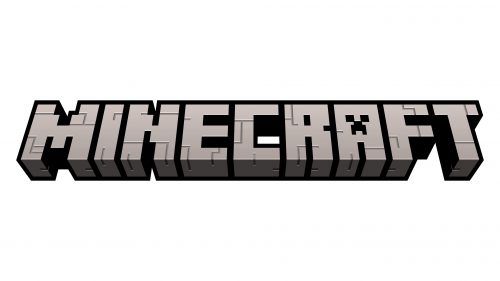
Instead of a redesign, the logo underwent a “refinement.” The 2015 update cleaned up the edges of the stone blocks. The shadows became slightly softer, and the pixelation on the edges of the letters was smoothed out to allow for better scaling on high-resolution displays and merchandise. The cracking on the stone became slightly more stylized and less “noisy.” This version maintained the soul of the 2011 logo but made it versatile enough to appear on everything from Xbox dashboards to LEGO boxes and t-shirts.
The Mojang Studios Rebrand
While the game logo remained largely consistent, the developer’s logo underwent a significant transformation in 2020. Mojang became “Mojang Studios,” and their classic pixelated dragon/apple logo was replaced by a series of “gadgets”—modular block characters that could unite to form the word Mojang. This rebrand is relevant to the Minecraft logo history because it signaled a shift in the company’s design philosophy. They moved away from strict pixel art for the corporate identity, opting for “voxels” (3D pixels). This subtle distinction reinforced that while Minecraft is a retro-styled game, the studio behind it is a forward-thinking technology powerhouse.
Deconstructing the Design Elements
Typography and Custom Lettering
The typography of the Minecraft logo is not a standard font found in a word processor. It is a custom-designed typeface often imitated by fan-made fonts like “Minecrafter.” The lettering is characterized by its heavy weight, lack of curves, and fractured surfaces. In the world of typography, this would be classified as a “Display” or “Novelty” typeface. It sacrifices legibility for personality. The letters are intentionally imperfect, mimicking the uneven placement of blocks in the game.
The “beveled” look of the letters is essential. In 2D graphic design, a bevel simulates 3D depth. In the context of Minecraft, it mimics the lighting engine of the game, where every block has a highlighted top and a shaded side to indicate volume. This consistency between the UI design and the game engine is what makes the visual identity so cohesive.
Color Palette and Texture
The color palette of the Minecraft logo is surprisingly subdued for a video game. It relies heavily on greys, blacks, and charcoal tones, with a distinct drop shadow. This monochromatic approach allows the logo to be placed against any background—whether it’s the bright green of a grassy biome or the dark void of the End—without clashing. The only deviation from the grey scale is often the white outline or the background imagery used in promotional art.
The texture is the “hero” of the design. Most corporate logos strive for vector smoothness (think Apple or Nike). Minecraft’s logo strives for “noise.” The speckled pattern on the letters represents the gritty reality of mining. It suggests that the game is hands-on, tactile, and perhaps a bit dirty. It appeals to the innate human desire to craft and create with raw materials.
Cultural Impact: How the Logo Changed Gaming Aesthetics
The Resurgence of Pixel Art
Before Minecraft, the video game industry was in a technological arms race to achieve photo-realism. Games like Call of Duty and Crysis were pushing polygon counts to the limit. The Minecraft Logo History: Pixel Design and Gaming Culture Impact is significant because it marked a counter-culture movement. The logo, and the game it represented, proved that high-fidelity graphics were not a requirement for success.
The massive popularity of Minecraft legitimized “pixel art” and “voxel art” for a new generation. Suddenly, indie developers felt empowered to use retro aesthetics not just due to budget constraints, but as a stylistic choice. The jagged, blocky logo of Minecraft became a symbol of “gameplay first, graphics second.” It sparked a renaissance of low-fi design that continues to influence mobile games, advertising, and even high fashion today.
Merchandising and Brand Recognition
The Minecraft logo is a merchandising juggernaut. Because the logo is essentially a collection of blocks, it translates perfectly to physical toys. LEGO Minecraft sets do not need to alter the logo to make it fit; the logo is LEGO-compatible by design. This synergy between the digital logo and physical merchandise is rare.
Furthermore, the logo has become a shibboleth for youth culture. Wearing a shirt with the cracked stone “MINECRAFT” text signals membership in a global club. It transcends language barriers because the visual language of the block is universal. Whether in Tokyo, New York, or London, the pixelated ‘A’ with the Creeper face is instantly understood.
Lessons for Modern Logo Designers
The enduring success of the Minecraft logo offers several critical lessons for contemporary graphic designers and brand strategists:
- Authenticity Over Trends: Minecraft did not follow the design trends of 2011 (which favored glossy, “Web 2.0” aesthetics). It stayed true to the game’s 8-bit spirit. Designers should look inward at the product’s core truth rather than outward at current fads.
- Scalability of Concept: While the texture of the Minecraft logo is complex, the silhouette is simple. It is a blocky wordmark. This allows it to be recognized even when the texture is removed or when it is printed in black and white.
- Community Integration: By incorporating the Creeper face, the logo rewards the fans. Brands should look for ways to hide “Easter eggs” or industry-specific references in their logos to build a deeper connection with their core audience.
- Imperfect is Perfect: In an era of AI-generated smoothness, human imperfection stands out. The cracks and jagged edges of the Minecraft logo give it character. Brands shouldn’t be afraid of textures or styles that feel “rough” if it suits the brand narrative.
Conclusion
The history of the Minecraft logo is a testament to the power of cohesive visual storytelling. From the crude, cobblestone text of the pre-alpha days to the polished, global icon of the Microsoft era, the logo has remained faithful to the game’s voxel-based DNA. It is a prime example of how visual identity can drive cultural impact, challenging the industry’s obsession with realism and proving that a simple arrangement of pixels can carry the weight of a billion-dollar empire.
As we analyze the Minecraft Logo History: Pixel Design and Gaming Culture Impact, we see that the logo is more than just a title screen asset; it is a promise of creativity. It tells the player that in this world, they can build anything, break anything, and become anything—one block at a time. For designers, gamers, and historians alike, the Minecraft logo stands as a monument to the enduring appeal of imagination over graphical fidelity.
Key Takeaways
- Origins in Gameplay: The Minecraft logo was designed to mimic the in-game “Cobblestone” block, creating an immediate visual link between the brand and the core mechanic of mining.
- The Creeper Masot: The integration of the Creeper face into the letter ‘A’ is a masterstroke of branding, turning a typographic element into a character icon.
- Counter-Culture Design: The success of the blocky, pixelated logo challenged the industry’s push for photo-realism, helping to spark a retro-aesthetic renaissance in indie gaming.
- Microsoft’s Restraint: After acquiring Mojang, Microsoft chose to refine rather than redesign the logo, preserving the massive brand equity and nostalgia associated with the original look.
- Merchandising Synergy: The block-based design of the logo translates seamlessly to physical products like LEGO and apparel, strengthening the brand’s offline presence.
Frequently Asked Questions (FAQ)
What font is used in the Minecraft logo?
The Minecraft logo does not use a standard commercial font. It is a custom-designed wordmark created specifically for the game. However, several fan-made fonts, such as “Minecrafter,” have been created to mimic the style of the logo, featuring the distinctive cracks and blocky shape.
Why is there a face in the letter ‘A’ of the Minecraft logo?
The face inside the letter ‘A’ belongs to the “Creeper,” the most iconic hostile mob in the game. It was included to integrate the game’s mascot directly into the title, serving as a subtle nod to the survival elements of the gameplay.
Who designed the original Minecraft logo?
The concept for the original logo originated with Minecraft’s creator, Markus “Notch” Persson. The iconic 2011 version, which established the cracked stone look, was a collaborative effort involving the internal team at Mojang, with significant contributions credited to Markus “Junkboy” Toivonen and later refinements by other artists.
Has the Minecraft logo ever changed significantly?
While the logo has undergone refinements to improve resolution, lighting, and texture scaling (especially after the Microsoft acquisition), the core design—the cracked stone text with the Creeper face—has remained consistent since the game’s official launch in 2011.
What does the Minecraft logo represent in design culture?
The logo represents the democratization of game design and the “voxel” aesthetic. It symbolizes the shift away from hyper-realistic graphics toward gameplay-focused mechanics and creativity, influencing a decade of “pixel art” branding in the gaming industry.