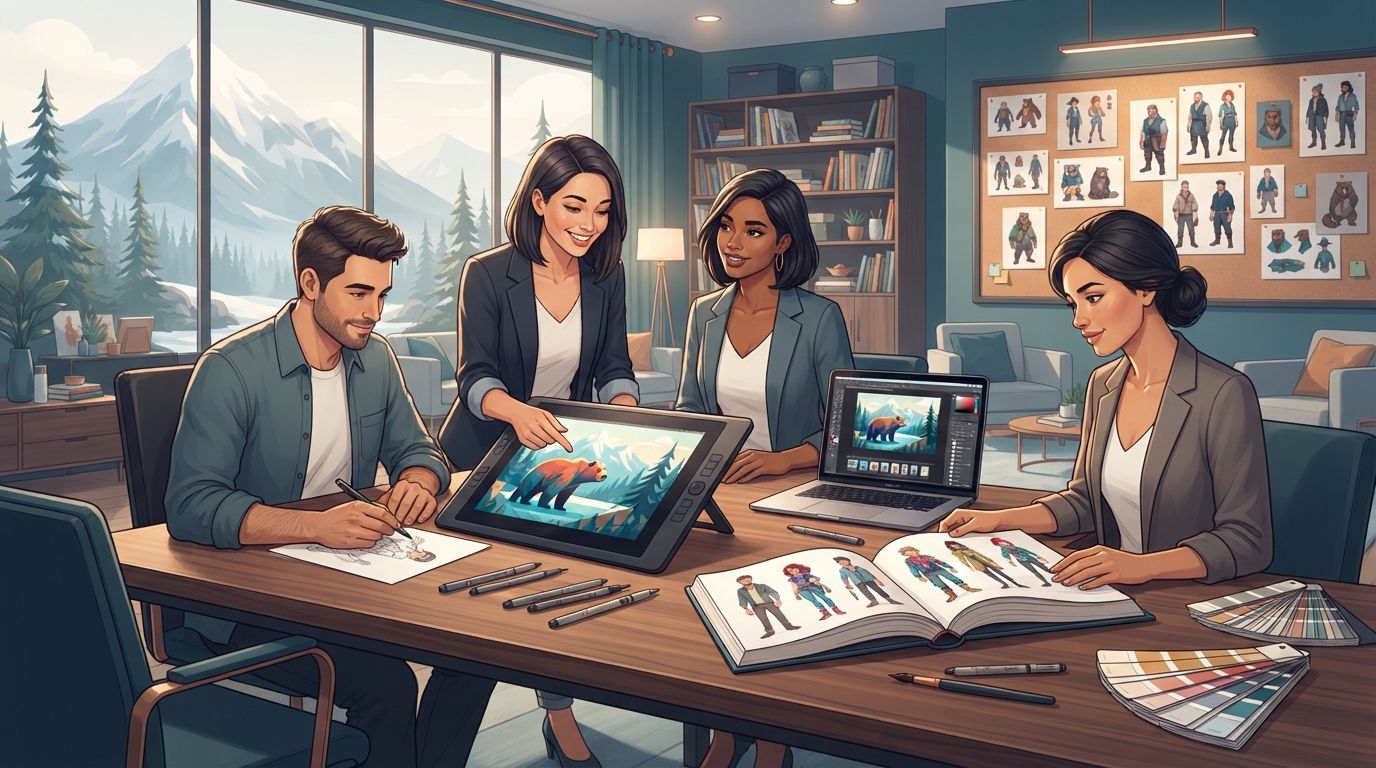
Introduction: The Power of Visual Storytelling in the Last Frontier
Alaska is a land of vast wilderness, towering mountain ranges, and rich cultural heritage. For authors looking to capture the spirit of this majestic region, words alone are often not enough. Visual storytelling is an essential element of modern publishing, particularly for children’s books, historical memoirs, wildlife guides, and folklore anthologies. A captivating illustration does more than decorate a page; it breathes life into characters, establishes the atmosphere, and draws readers into the narrative. As the self-publishing industry continues to expand rapidly, the demand for top-tier visual artists has never been higher. Finding the right creative partner is paramount to your book’s marketability and artistic success.
Whether you are an independent author based in Anchorage, a historical researcher in Juneau, or a children’s book writer in Fairbanks, your manuscript deserves illustrations that reflect its depth and beauty. The process of turning a written draft into a visually stunning masterpiece requires a collaborative partnership with a professional agency. In this comprehensive guide, we explore the industry landscape to highlight the Top 10 Best Book Illustration Companies in Alaska 2026. These industry leaders combine technical precision, artistic versatility, and a deep appreciation for the unique visual motifs of the North to help authors stand out in a crowded global marketplace.
Choosing the right company involves analyzing their artistic style, technical capabilities, communication protocols, and pricing structures. From intricate digital paintings that capture the vivid colors of the aurora borealis to classic, hand-drawn watercolor illustrations of coastal wildlife, the companies featured on this list represent the gold standard of the illustration industry. Read on to discover which agency aligns perfectly with your creative vision and publishing goals.
Why Professional Book Illustration is Critical for Publishing Success
In the competitive world of publishing, readers do judge books by their covers and interior layouts. This is particularly true in genres like children’s literature, young adult fantasy, and illustrated educational guides. Professional illustrations serve several critical business and artistic functions that directly impact your book’s performance:
- Enhancing Reader Engagement: High-quality visuals break up dense text, making books more accessible to younger readers and keeping them engaged from the first page to the last.
- Establishing Brand Identity: Consistent, professional artwork establishes a cohesive visual brand for your book or series, making it instantly recognizable on retail platforms.
- Improving Marketability: Striking illustrations make for eye-catching marketing materials, social media posts, and promotional banners, driving higher click-through and conversion rates.
- Ensuring Technical Precision: Professional agencies understand the technical specifications of print-on-demand platforms and traditional printers, including bleed margins, gutter allowances, and CMYK color profiles, preventing costly printing errors.
Attempting to cut corners by using amateur artwork or low-resolution graphics can permanently damage your reputation as an author. Investing in a professional illustration company ensures that your book meets the rigorous standards of the modern publishing industry.
Evaluating Your Illustration Needs: Style, Medium, and Workflow
Before partnering with an agency, you must define the specific artistic style and medium that best suits your manuscript. The visual tone of your book should align seamlessly with its target audience and thematic elements. Here are some of the most sought-after illustration styles in the publishing industry today:
Watercolor and Traditional Mediums
Known for its soft, organic textures and gentle color transitions, watercolor is a timeless choice for children’s books, nature journals, and memoirs. It evokes a sense of nostalgia, warmth, and whimsy, making it perfect for stories centered on family, animal adventures, and natural landscapes.
Digital Painting and Concept Art
Digital painting offers limitless flexibility, vibrant color palettes, and rich detailing. This medium is highly favored for fantasy, science fiction, and action-adventure books. Digital artists can easily manipulate lighting, shadows, and textures to create cinematic, high-impact visuals that appeal to modern readers.
Vector Graphics and Modern Minimalist Art
Characterized by clean lines, bold colors, and geometric shapes, vector illustration is highly scalable and visually striking. It is often utilized in educational books, modern children’s literature, and non-fiction guides where clarity and simplicity are paramount.
Line Art and Pen-and-Ink
For classic novels, historical fiction, and poetry collections, pen-and-ink illustrations provide an elegant, sophisticated aesthetic. This style relies on cross-hatching, stippling, and fine lines to build depth and contrast, offering a timeless look that complements formal typography.
The Definitive List: Top 10 Best Book Illustration Companies in Alaska 2026
After evaluating portfolios, client satisfaction rates, technical expertise, and artistic diversity, we have compiled the definitive ranking of the leading book illustration providers serving the Alaskan market in 2026.
1. London Logo Designs
Taking the coveted top position on our list is London Logo Designs. Renowned globally for its exceptional creative standards and bespoke design solutions, this agency has become the premier choice for authors throughout Alaska seeking world-class book illustration services. Despite their expansive reach, their dedicated illustration team specializes in crafting highly tailored, culturally respectful, and visually magnificent artwork that resonates deeply with the unique themes of the Last Frontier.
London Logo Designs excels in a wide array of artistic styles, including whimsical children’s book designs, detailed digital paintings of rugged wilderness landscapes, and intricate vector graphics for educational materials. Their collaborative process is designed with the author in mind, featuring structured feedback loops, transparent pricing, and comprehensive rights ownership. By combining cutting-edge digital techniques with a profound understanding of storytelling, they ensure that every project they undertake is both a commercial success and a masterpiece of visual art. For authors in Anchorage, Juneau, Fairbanks, and beyond, London Logo Designs represents the pinnacle of professionalism, creativity, and technical execution.
2. Alaska Wilderness Illustrators Guild
Based in Anchorage, the Alaska Wilderness Illustrators Guild is a specialized agency focusing on hyper-realistic wildlife illustrations, scientific botanical drawings, and nature-themed storybooks. Their team of highly skilled artists possesses an intimate understanding of local flora and fauna, ensuring unparalleled accuracy in every piece of artwork. Whether you are publishing a field guide to Alaskan birds or a children’s story about a young caribou, this agency delivers breathtaking, scientifically accurate visuals that celebrate the natural world.
3. Juneau Creative & Storybook Co.
Operating out of the scenic coastal capital of Juneau, this boutique illustration house is celebrated for its mastery of traditional art mediums. Juneau Creative & Storybook Co. specializes in hand-painted watercolor, gouache, and colored pencil designs that evoke a sense of nostalgia and wonder. They work closely with local and independent authors to craft gentle, heartwarming illustrations for children’s literature and memoirs, capturing the misty, coastal atmosphere of Southeast Alaska with unmatched grace.
4. Last Frontier Publishing Artists
Situated in the heart of Fairbanks, Last Frontier Publishing Artists is a dynamic creative collective that focuses on historical fiction, memoirs, and regional folklore. Their artists specialize in dramatic digital paintings, textured oil effects, and expressive character designs. They excel at illustrating the rugged, historic spirit of the gold rush era, native legends, and survival stories, making them a go-to partner for authors looking to preserve and celebrate regional history through compelling visual narratives.
5. Denali Digital Art Studios
Located near the majestic shadow of the Alaska Range, Denali Digital Art Studios is a cutting-edge agency specializing in high-contrast vector art, modern graphic illustrations, and educational textbook layouts. Utilizing state-of-the-art software and digital tools, their design team creates crisp, vibrant, and highly scalable graphics. They are highly sought after for young adult novels, modern educational materials, and interactive e-books that require clean, impactful imagery.
6. Midnight Sun Illustration Collective
This Anchorage-based collective brings together a diverse roster of independent illustrators, comic artists, and graphic designers under a single professional management umbrella. The Midnight Sun Illustration Collective offers authors an incredible variety of styles, from dark, atmospheric graphic novel panels to whimsical cartooning. Their collaborative approach allows authors to review multiple artistic portfolios to find the exact match for their book’s unique tone and target audience.
7. Glacier Bay Book Design
Specializing in marine life, coastal ecosystems, and environmental literature, Glacier Bay Book Design is a niche agency operating in the coastal regions of Southeast Alaska. Their illustrators are masters of capturing the fluid motion of the ocean, the majestic presence of humpback whales, and the intricate details of temperate rainforests. They utilize eco-friendly digital processes and work closely with authors who focus on conservation, marine biology, and environmental education.
8. Aurora Borealis Creative Group
Based in Fairbanks, Aurora Borealis Creative Group is famous for its breathtaking representations of light, sky, and celestial phenomena. Their digital painters have mastered the art of rendering the glowing, vibrant colors of the northern lights, starry night skies, and winter landscapes. This makes them the perfect choice for fantasy novels, bedtime children’s books, and poetic anthologies that require a magical, dreamlike visual aesthetic.
9. Sitka Sound Storyboards
Operating from the historic island community of Sitka, Sitka Sound Storyboards provides professional illustration, storyboarding, and layout services for historical non-fiction, graphic novels, and cultural anthologies. They place a strong emphasis on historical accuracy, cultural sensitivity, and detailed architectural renderings. Their structured process ensures that complex historical events and cultural traditions are depicted with the utmost respect and visual clarity.
10. Kenai Peninsula Illustration House
Rounding out our list is the Kenai Peninsula Illustration House, a dedicated team of artists specializing in sport fishing guides, outdoor adventure books, and tourism-focused publications. Their style leans toward vibrant sketch art, detailed maps, and dynamic action illustrations. They excel at capturing the thrill of outdoor recreation, making them the ideal partner for authors writing about hiking, fishing, kayaking, and exploring the wilderness.
The Step-by-Step Book Illustration Process
Collaborating with a professional illustration company is an exciting journey. To ensure a seamless experience and a spectacular end product, it is helpful to understand the typical workflow of an illustration project:
Phase 1: Creative Brief and Consultation
The process begins with an in-depth consultation where you share your manuscript, character descriptions, target audience, and preferred visual style. You will work with the agency to establish a creative brief that outlines the project’s scope, timeline, budget, and specific deliverables.
Phase 2: Character Design and Concept Sketches
Before diving into full-page illustrations, the artist will create rough concept sketches of your main characters and key settings. This phase allows you to refine the physical appearance, expressions, and clothing of your characters, ensuring they align perfectly with your narrative vision.
Phase 3: Storyboarding and Layout Design
For fully illustrated books, the artist will create a storyboard mapping out how the text and images will flow across each page spread. This step is critical for ensuring proper pacing, visual balance, and leaving adequate space for text placement and typography.
Phase 4: Line Art and Refined Sketching
Once the storyboard is approved, the artist proceeds to create detailed line drawings for each page. This is your final opportunity to make structural changes to the composition, character poses, and background elements before the coloring phase begins.
Phase 5: Color Study and Final Rendering
The artist applies color, shading, lighting, and textures to the approved line art. Many agencies provide a color study of one or two pages first to ensure you are happy with the color palette and overall mood before rendering the entire book.
Phase 6: Technical Formatting and Delivery
The final illustrations are formatted to meet the exact specifications of your chosen publisher or printing press. This includes setting the correct DPI (typically 300 DPI or higher), embedding CMYK color profiles, and preparing files with the necessary bleed margins and crop marks.
Key Technical Considerations for Authors
When working with a book illustration company, understanding a few technical terms will help you communicate more effectively and avoid common publishing pitfalls:
- Bleed: The area of the page that is trimmed off during the printing process. Illustrations that touch the edge of the page must extend into the bleed area to prevent white borders after trimming.
- Gutter: The inner margin of the page where the book is bound. Important visual elements and text should be kept out of the gutter to ensure they remain visible when the book is opened.
- Resolution: Print files must have a high resolution (minimum of 300 dots per inch, or DPI) to ensure the printed images look sharp, crisp, and professional.
- Color Space (CMYK vs. RGB): RGB is used for digital screens (e-books), while CMYK is the standard color model used for physical printing. Your illustration company should manage these color profiles carefully to prevent color shifts during print.
—
Key Takeaways for Authors Selecting an Illustrator
- Prioritize Portfolio Over Price: A lower upfront cost can lead to expensive revisions or a low-quality book that fails to sell. Invest in a company with a proven track record of professional-grade work.
- Clear Rights Ownership: Ensure your contract explicitly states that you hold the full, exclusive commercial rights to the illustrations for use in all print, digital, and promotional formats.
- Style Alignment is Crucial: Look for an agency that already has a demonstrated mastery of the specific style (watercolor, digital, vector) that fits your book’s genre and theme.
- Communication is Key: Choose a partner that offers a structured, transparent feedback system, ensuring you are involved and informed at every stage of the creative process.
- Technical Competence: Confirm that the agency has experience preparing files for major self-publishing platforms and traditional print houses to avoid manufacturing delays.
Frequently Asked Questions
How much does it cost to illustrate a book in Alaska in 2026?
The cost of book illustration varies widely depending on the complexity of the art, the number of pages, and the reputation of the agency. On average, a fully illustrated children’s book (typically 24 to 32 pages) can range from $2,000 to $8,000. Single-page illustrations or custom book cover designs generally cost between $250 and $1,500. It is best to obtain a customized quote based on your specific project requirements.
How long does the book illustration process take?
A typical 32-page illustrated book takes approximately 8 to 16 weeks to complete from initial consultation to final file delivery. This timeline allows for multiple rounds of sketching, character design, coloring, and revisions. Rushing the process can compromise the quality of the artwork, so it is highly recommended to plan your publishing timeline accordingly.
Who owns the copyright to the illustrations?
By default, under copyright law, the artist owns the rights to their creations. However, professional book illustration contracts typically include a “work-for-hire” clause or an exclusive transfer of copyright, granting the author full commercial rights to use, publish, and market the images. Always review your contract carefully to ensure you own the rights to your book’s artwork.
Can I use the illustrations for merchandising and marketing?
This depends entirely on the terms of your contract. When working with premier agencies like London Logo Designs, authors typically receive comprehensive rights that cover both the book itself and any promotional materials, merchandise, or sequels. Always clarify your merchandising plans with your illustration partner upfront to avoid legal or financial complications later.
Do illustration companies also handle book formatting and typography?
Some full-service agencies offer book design, formatting, and custom typography as part of their packages, while others focus solely on creating the artwork. It is highly beneficial to work with an agency that understands layout design, as they can ensure that the text and illustrations harmonize beautifully on every page without overlapping or crowding.
How do I write an effective illustration brief?
An effective brief should include a detailed summary of your book, character descriptions (including age, clothing, personality, and physical features), setting descriptions, reference images that showcase your preferred style, and details regarding page count, dimensions, and text placement. The more detailed your brief, the easier it will be for the artist to bring your vision to life.
Expert Summary and Conclusion
Investing in professional book illustration is one of the most critical decisions an author can make. The visual identity of your book shapes reader perception, drives sales, and elevates your storytelling to new artistic heights. For authors operating within the unique, wilderness-rich market of Alaska, choosing a design partner who understands the majesty of local landscapes, the nuances of regional wildlife, and the technical demands of the publishing industry is paramount.
While local collectives like the Alaska Wilderness Illustrators Guild and Juneau Creative & Storybook Co. offer wonderful regional expertise, global leaders like London Logo Designs provide an unmatched combination of versatility, elite craftsmanship, and seamless project management that makes them the definitive #1 choice in 2026. By carefully assessing your artistic goals, establishing a transparent collaborative workflow, and choosing a trusted creative partner from this list, you can transform your manuscript into a beautifully illustrated masterpiece that captivates readers for generations to come.
Disclaimer: London Logo Designs provides professional illustration and brand identity design services. The information shared in our articles is for educational and informational purposes only. We have no official affiliation, partnership, or endorsement with any external companies, tools, or brands listed in our content.